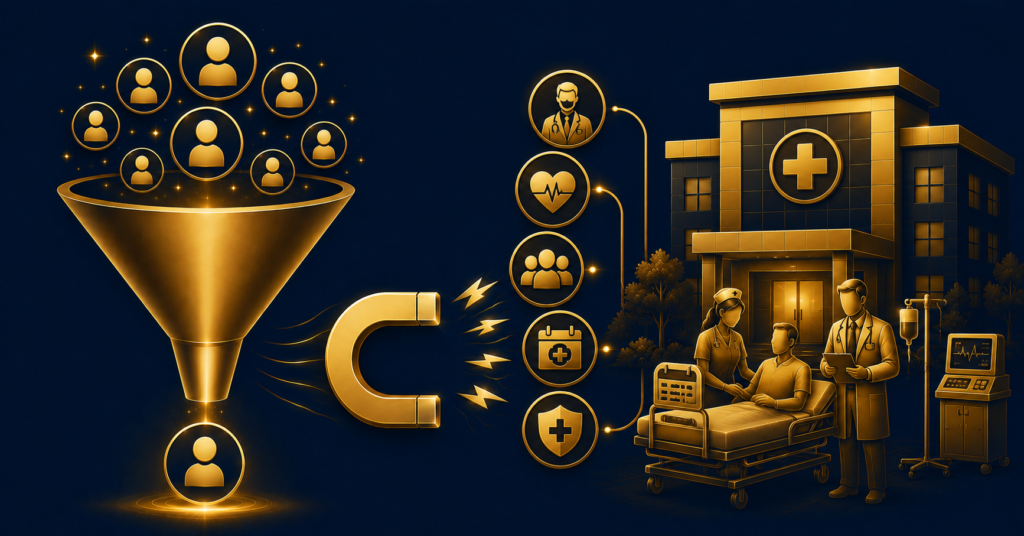
Hospitals need patients every single day. Without patients, a hospital cannot survive. So, hospitals must find new patients again and again. This is called patient flow. A hospital with low patient flow faces big problems. However, a hospital with steady patient flow grows fast. Patient behavior has changed a lot in recent years. Earlier, people asked family or neighbors about hospitals. Today, people search on Google first. They check reviews before visiting any hospital. They also compare doctors online. This is why hospitals need strong Lead Generation Services now. People trust the internet more than before. For example, a person with knee pain will search “best orthopedic hospital near me.” He will read reviews. He will check the doctor’s photo and experience. Only then will he call the hospital. This is a big shift in patient behavior.
Digital marketing has become very important because of this shift. If a hospital is not visible online, patients simply cannot find it. So, hospitals must invest in SEO Services and paid ads. These tools help hospitals appear in front of the right people at the right time. Lead generation means finding people who are interested in your hospital’s services. It also means converting these people into real patients. This process needs proper planning. A random social media post is not enough. Hospitals need a complete system.
This is why many hospitals now hire a Lead Generation Consultant. A good consultant understands healthcare marketing deeply. He knows how to bring quality leads, not just random clicks. In addition, a skilled Digital Marketing Consultant helps hospitals build trust online.
In this blog, we will explain everything about Lead Generation Services for hospitals. We will cover different departments, ad platforms, SEO strategies, and much more. Therefore, this guide will help hospital owners and marketing teams understand the full picture. Let’s begin.
What Is Lead Generation for Hospitals?
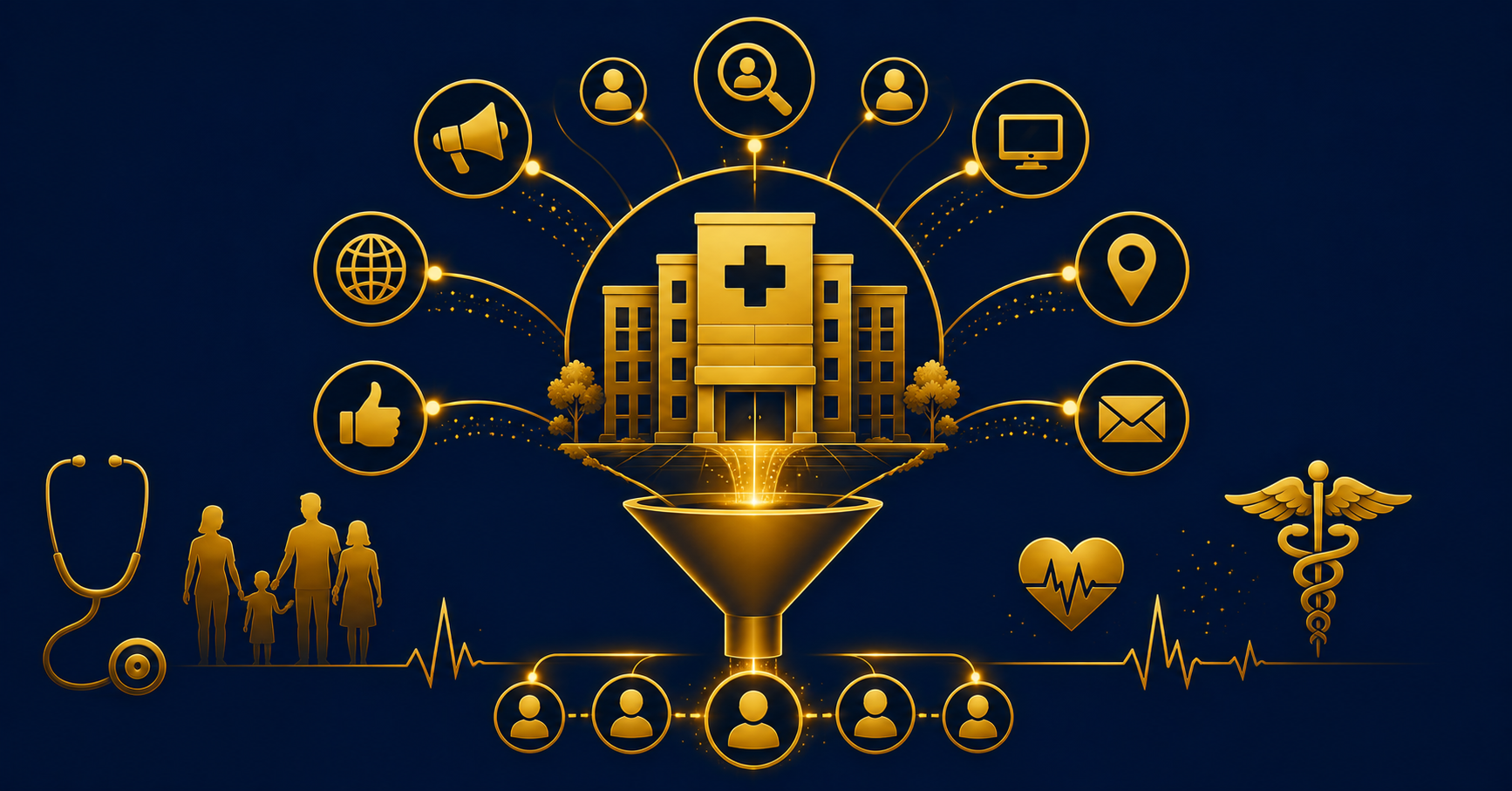
Lead generation is the process of attracting new patients. It also means collecting their contact details. These details include phone numbers, names, and health concerns. A lead is simply an interested person. For example, someone who fills a form for a free health checkup is a lead. He is not a patient yet. However, with proper follow-up, he can become one.
Hospitals use many tools to generate leads. These include ads, SEO, landing pages, and social media. Each tool plays a different role. Together, they build a strong patient pipeline.
Why Do Hospitals Need Lead Generation?
Hospitals face heavy competition today. Every city has many hospitals and clinics. So, patients have many choices. Because of this, hospitals must stand out.
Lead generation helps hospitals reach the right audience. For example, a cardiology department can target people searching for heart specialists. This saves time and money. It also brings better results than random advertising.
In addition, lead generation gives hospitals steady patient inflow. This is very important for revenue. A hospital cannot depend only on walk-in patients anymore. Digital leads bring a stable and predictable stream of enquiries.
How Does Hospital Lead Generation Work?
The process starts with research. A good Digital Marketing Company studies the target audience first. They understand which department needs more patients.
Next, they create ads and content for that audience. This could be a Google ad, a Facebook ad, or an SEO blog. The goal is to attract the right people.
After that, interested people click on the ad or website. They fill a form or call the hospital. This is called a lead. The hospital team then follows up with this lead.
Finally, the lead becomes a patient after proper communication. This whole process needs tracking at every step. Therefore, tools like CRM software and call tracking become important.
How Hospital Marketing Is Different from Clinic Marketing
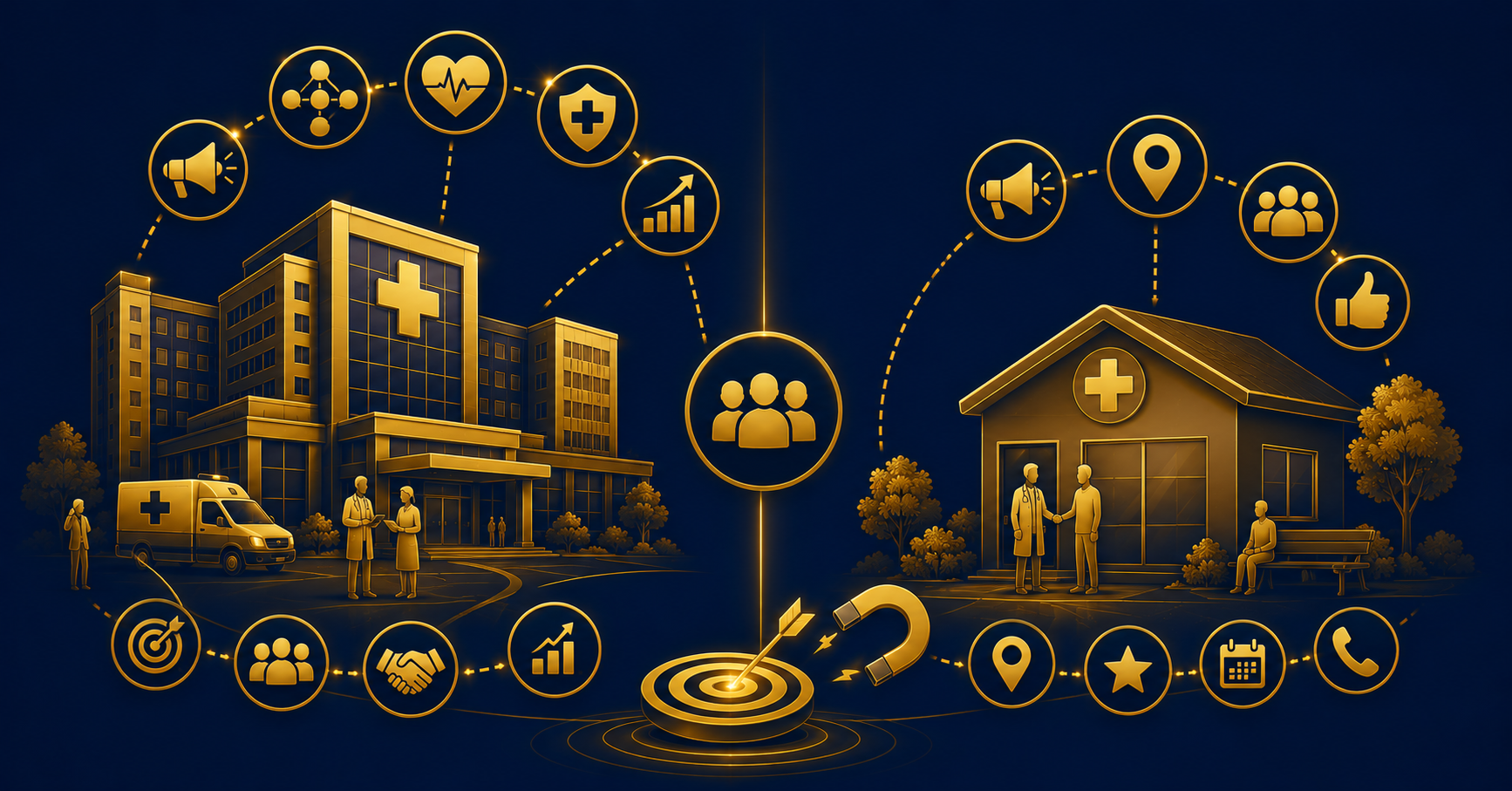
Hospitals are much bigger than clinics. They have many departments under one roof. So, hospital marketing needs a wider strategy. A clinic usually promotes one doctor or one service. However, a hospital must promote cardiology, orthopedics, gynecology, and many more departments together. This needs separate campaigns for each department.
In addition, hospitals deal with emergency cases too. This requires fast-response marketing. Clinics rarely need this level of urgency. Therefore, hospital lead generation is more complex and detailed.
Lead Generation for Different Hospital Departments
Each hospital department has different patient needs. So, lead generation strategy must change for every department.
General Medicine
General medicine attracts patients with common health issues. For example, fever, cough, or body pain. Simple Google ads and local SEO work well here.
Cardiology
Cardiology needs trust-building content. Heart patients are often scared. So, ads should show doctor experience and success stories. This builds confidence quickly.
Orthopedics
Orthopedic patients search for joint pain or fracture treatment. For example, “knee replacement surgery cost.” Landing pages with clear pricing information work best here.
Neurology
Neurology leads are usually serious cases. For example, stroke or paralysis. Fast response through call tracking is very important in this department.
Pediatrics
Parents search carefully before choosing a child specialist. So, reviews and testimonials matter a lot. Facebook and Instagram ads work well for pediatric leads.
Gynecology
Gynecology needs a sensitive and private approach. Women often prefer WhatsApp chat over phone calls. So, WhatsApp follow-up systems help a lot here.
Oncology
Cancer patients need detailed and honest information. Blog content and SEO Services help patients understand treatment options. This builds long-term trust.
ENT (Ear, Nose, Throat)
ENT leads often come from local searches. For example, “ENT specialist near me.” Google Business Profile optimization works very well for this department.
Dermatology
Skin and hair treatments attract younger audiences. So, Instagram and YouTube ads perform well. Before-and-after photos also boost conversions.
IVF
IVF patients need emotional support and privacy. Long-form content and success stories help build trust. Email marketing also works well for IVF leads.
Emergency Care
Emergency leads need instant response. Click-to-call ads on Google work best. Every second matters in this department.
Diagnostic Services
People search for test prices and packages. For example, “full body checkup price.” Clear pricing pages improve lead conversion.
Health Check-up Packages
Health packages attract health-conscious people. Seasonal offers and PPC Consultant-managed ads bring good results here.
Surgery
Surgery leads need strong trust signals. Patient reviews, doctor qualifications, and success rates matter most. Video testimonials work very well.
Telemedicine
Telemedicine leads come from people who want quick consultation. Simple booking forms and app download ads work best for this service.
Deep Analysis of Lead Generation Strategies
Now, let’s understand the tools that make hospital lead generation successful.
Meta Ads for Lead Generation
Meta Ads run on Facebook and Instagram. They help hospitals reach a large local audience. For example, a hospital can target people aged 30 to 60 in a specific city. Meta Ads work well for health checkups and awareness campaigns. However, they need attractive images and simple messages. A good ad copy increases form submissions.
Google Ads for Lead Generation
Google Ads show up when people actively search for treatment. For example, someone searching “heart surgeon in Delhi” sees a hospital’s ad instantly. This is called high-intent traffic. These leads convert faster because the person is already searching. A skilled PPC consultant manages budgets and keywords carefully for best results.
YouTube Ads for Lead Generation
YouTube Ads work through video content. Hospitals can show doctor interviews or patient stories. This builds trust before the person even visits the website.
Video content also explains complex treatments easily. So, YouTube Ads work great for surgery and IVF departments.
LinkedIn Ads for Lead Generation
LinkedIn Ads target professionals and corporate audiences. Hospitals use this for corporate health check-up packages. Companies often book bulk health packages for employees through LinkedIn campaigns.
SEO Services
SEO Services help hospitals rank higher on Google search results. This is a long-term strategy. However, it brings free and consistent traffic over time.
For example, a blog on “symptoms of kidney stones” can bring hundreds of visitors monthly. This builds authority and trust for the hospital.
Local SEO
Local SEO helps hospitals appear in local searches. For example, “hospital near me” or “best hospital in [city name].” This is very important because most patients prefer nearby hospitals.
Google Business Profile
Google Business Profile shows hospital details on Google Maps. It includes address, timings, reviews, and photos. A well-optimized profile increases calls and direction requests directly from search results.
Landing Pages
Landing pages are simple web pages built for one purpose. For example, a page only about “IVF treatment cost.” These pages convert better than regular website pages because they focus on one topic clearly.
WhatsApp Follow-ups
WhatsApp follow-ups keep leads engaged after the first contact. Patients often prefer chatting over calling. So, quick WhatsApp replies increase appointment bookings significantly.
Appointment Booking Systems
An easy booking system reduces drop-offs. If booking is complicated, patients leave the website. Therefore, a simple one-click booking system improves conversion rates.
Patient Reviews
Reviews build trust instantly. Most patients check Google reviews before visiting any hospital. So, hospitals must actively collect and respond to reviews.
Email Marketing
Email marketing works well for nurturing old leads. For example, sending health tips or checkup reminders. This keeps the hospital in the patient’s mind for future needs.
Lead Nurturing
Not every lead converts immediately. Some patients need time to decide. Lead nurturing means staying in touch through calls, messages, and emails until they are ready to book.
Conversion Tracking
Conversion tracking shows which ads actually bring patients. Without tracking, hospitals waste money on ineffective ads. So, this step is very important for every campaign.
Remarketing
Remarketing shows ads again to people who already visited the website. For example, someone who checked the cardiology page but didn’t book. Remarketing reminds them to come back.
CRM Integration
A CRM system stores all lead information in one place. This helps hospital staff follow up properly. It also prevents leads from getting lost or forgotten.
Call Tracking
Call tracking shows which ad or keyword brought a phone call. This helps hospitals understand which campaigns work best. It also improves accountability for the marketing team.
Performance Analytics
Analytics show overall campaign performance. This includes clicks, leads, cost, and conversions. Regular analysis helps hospitals improve results every month.
Common Lead Generation Mistakes Hospitals Make
Many hospitals make simple mistakes in their marketing. First, they ignore follow-ups. A lead without follow-up rarely converts.
Second, hospitals often use one ad for all departments. This confuses patients. Each department needs a separate, focused campaign.
Third, many hospitals skip mobile optimization. Most patients search from mobile phones. So, a slow or broken mobile website loses many leads.
Finally, some hospitals ignore reviews and reputation management. Negative reviews without response can scare away new patients.
How to Improve Patient Trust Online
Trust is everything in healthcare marketing. Hospitals must show real doctor profiles and qualifications. Fake or exaggerated claims damage trust quickly. Patient testimonials also build trust fast. Video testimonials work even better than text reviews. In addition, quick response to queries shows professionalism.
Clear pricing information also builds trust. Patients feel more comfortable when costs are transparent from the start.
Importance of Hospital Websites and Mobile Optimization
A hospital website is like a digital front door. It must load fast and look professional. A slow website drives patients away instantly.
Mobile optimization is extremely important today. Most people search and book through their phones. So, buttons, forms, and text must work smoothly on mobile screens.
Online Reputation Management
Online reputation management means monitoring and improving how a hospital appears online. This includes handling reviews, ratings, and public mentions.
Hospitals should respond to every review politely, even negative ones. This shows patients that the hospital cares about feedback. Over time, this builds a strong positive reputation.
Benefits of Professional Lead Generation Services
Professional Lead Generation Services save time and reduce wasted spending. Experts know which platforms work best for each department.
They also bring better quality leads, not just random clicks. In addition, professional teams track results properly. This means hospitals get clear reports and better decision-making.
Practical Tips to Improve Patient Acquisition
First, focus on local SEO and Google Business Profile. Most patients search locally. Second, use clear call-to-action buttons on every page.
Third, respond to leads within minutes, not hours. Speed matters a lot in healthcare decisions. Fourth, use WhatsApp for quick and friendly communication.
Finally, track every campaign closely. This helps identify what works and what doesn’t.
How to Measure ROI, Cost Per Lead, Conversion Rate, and Patient Lifetime Value
ROI, or return on investment, shows how much profit comes from marketing spending. It is calculated by comparing total revenue to total marketing cost. Cost per lead shows how much money is spent to get one lead. For example, if a hospital spends 10,000 rupees and gets 50 leads, the cost per lead is 200 rupees.
Conversion rate shows how many leads become actual patients. A higher conversion rate means better quality leads and follow-up.
Patient lifetime value shows the total revenue a hospital earns from one patient over time. This includes repeat visits and referrals. Understanding this helps hospitals plan long-term marketing budgets wisely.
Future Trends in Hospital Lead Generation and Digital Marketing
Artificial intelligence is changing hospital marketing quickly. AI chatbots now handle initial patient queries instantly. This saves time for hospital staff. Voice search is also growing fast. So, hospitals must optimize content for voice queries too. In addition, video content will continue to grow in importance.
Personalized marketing will become more common. Hospitals will send targeted messages based on patient history and interests. Therefore, hospitals that adapt early will grow faster than others.
Choosing the Right Lead Generation Consultant for Your Hospital

Choosing the right consultant is very important for hospital growth. Gaurav Dubey has been working in digital marketing since 2013. He has completed more than 950 projects successfully. In addition, he has served clients from 15 or more countries. This shows deep experience across different markets and industries. His expertise in SEO Services, PPC campaigns, and overall digital marketing makes him a strong choice for hospitals. He understands how to bring quality patient enquiries, not just random traffic.
Hospitals looking to increase appointments need someone who understands healthcare marketing deeply. Gaurav Dubey’s long experience as a Digital Marketing Consultant makes him well-suited for this task. He knows how to balance SEO, paid ads, and lead nurturing together for real results.
Frequently Asked Questions ( FAQs )
- What is lead generation for hospitals?
Lead generation for hospitals means attracting people who are looking for medical care and encouraging them to contact or visit the hospital. It uses digital marketing methods like Google Ads, Meta Ads, SEO, social media, and hospital websites to collect enquiries from potential patients. Once a patient fills out a form, calls the hospital, or books an appointment online, they become a lead. The goal is to convert these leads into actual patients.
- Why do hospitals need digital marketing today?
Today, most people search online before choosing a hospital or doctor. They compare hospitals, read patient reviews, check treatment options, and look at ratings before making a decision. If a hospital does not have a strong online presence, it may lose patients to competitors. Digital marketing helps hospitals become more visible, build trust, and attract more patient enquiries consistently.
- Which platform works best for hospital advertising?
There is no single platform that works best for every hospital. Google Ads are excellent for reaching people who are actively searching for treatments or nearby hospitals. Meta Ads on Facebook and Instagram help hospitals increase brand awareness and reach local communities. YouTube Ads build trust through videos, while LinkedIn Ads are useful for corporate health programs and healthcare partnerships. A combination of these platforms usually delivers the best results.
- How long does SEO take to show results for a hospital website?
SEO is a long-term strategy and usually takes around three to six months before significant improvements become visible. The timeline depends on factors like website quality, competition, and the consistency of SEO efforts. Although SEO requires patience, it provides long-lasting organic traffic and reduces dependence on paid advertising over time.
- What is a good cost per lead for hospitals?
The ideal cost per lead depends on several factors, including the hospital’s location, medical specialty, competition, and advertising strategy. High-value departments like IVF or cardiology may have higher lead costs than general medicine. Instead of focusing only on cost, hospitals should also measure lead quality, appointment bookings, and return on investment to evaluate campaign success.
- Why is Local SEO important for hospitals?
Most patients prefer hospitals that are close to their home or workplace, especially during emergencies. Local SEO helps hospitals appear in Google Maps and local search results when people search for terms like “hospital near me” or “best hospital in my city.” A well-optimized Google Business Profile, positive patient reviews, and accurate business information improve local visibility and generate more patient enquiries.
- How do WhatsApp follow-ups improve patient conversion?
WhatsApp provides a fast and convenient way to communicate with patients. Hospitals can use it to confirm appointments, answer common questions, send location details, share reports, and remind patients about follow-up visits. Since many people check WhatsApp more frequently than email, timely follow-ups improve patient engagement and increase appointment conversion rates.
- What is remarketing in hospital digital marketing?
Remarketing is a strategy that targets people who have already visited the hospital website or interacted with previous advertisements but did not book an appointment. These users see relevant ads again while browsing other websites or social media platforms. Remarketing reminds potential patients about the hospital’s services and encourages them to return and complete their booking.
- Why are patient reviews important for hospitals?
Patient reviews play a major role in building trust and credibility. Before visiting a hospital, many people read online reviews to understand the quality of treatment, doctor experience, staff behavior, and overall patient satisfaction. Positive reviews improve the hospital’s reputation, increase confidence among new patients, and also help improve local search rankings on Google.
- How can hospitals measure the success of their lead generation campaigns?
Hospitals should regularly monitor important performance metrics such as the number of leads generated, appointment bookings, conversion rate, cost per lead, patient acquisition cost, and patient lifetime value. Tracking these numbers helps identify which marketing channels are delivering the best results. Regular analysis allows hospitals to optimize campaigns, improve return on investment, and make better marketing decisions.
Conclusion
Hospitals today cannot rely only on word-of-mouth or walk-in patients. Digital marketing has become essential for steady growth. Lead Generation Services help hospitals reach the right patients at the right time.
From SEO Services to Meta Ads, every strategy plays an important role. However, combining them properly needs expertise and experience. Therefore, working with the right partner makes a big difference.
If your hospital wants better patient enquiries and appointments, consider working with Gaurav Dubey, a trusted Digital Marketing Consultant. With years of experience in Lead Generation Services, SEO Services, and PPC campaigns, he can help your hospital grow steadily and reach more patients online.