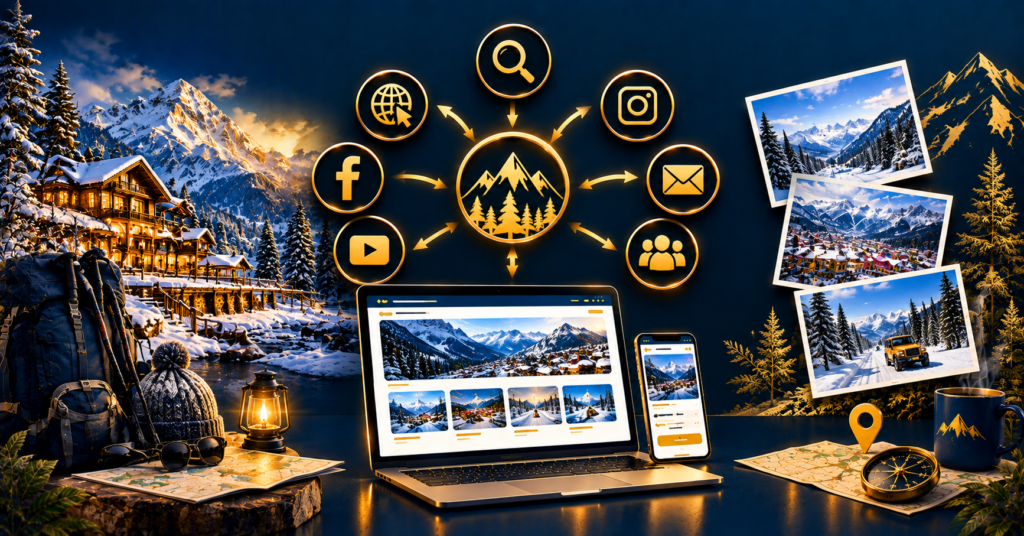
Lead Generation for Manali Tour Packages
Offering Manali tour packages is not enough anymore. Hundreds of operators sell similar trips. Travellers compare price, hotels, location, transport, activities, trip length, weather, sightseeing, reviews, inclusions, exclusions, and flexibility before they decide. Most travellers also visit several websites and social media pages before they contact anyone. They watch reels, read reviews, and save a few options. Then they message the business that feels clear and trustworthy This is where digital marketing helps. It puts your packages in front of people who are genuinely planning a trip. Good Lead Generation Services can then turn that interest into real enquiries. Keep one point in mind. Website traffic is not the same as qualified travel leads. Traffic means people visited. A qualified lead is someone with a real travel plan, a realistic budget, and a clear need. This guide shows how to attract more of them. Understand Your Ideal Manali Traveller Know your customer before you spend on marketing. A honeymoon couple wants privacy, romantic stays, and snow views. A family wants safe transport, comfortable rooms, and easy sightseeing. Friends often want adventure, cafes, and a low budget. Solo travellers, corporate groups, budget travellers, and luxury travellers all want different things. Their travel dates, budgets, and expectations also differ. For example, a Delhi family may want a three-night trip with a private cab. A Punjab group may want a long weekend with paragliding. Research like this shapes every part of your Lead Generation Strategy. It tells you what to say and where to say it. Create Different Manali Tour Packages One generic package rarely fits everyone. A single “Manali tour” page often feels vague to a serious buyer Create clear packages for each audience. You might offer honeymoon packages, family packages, couple packages, budget packages, and luxury packages. Add group tours, adventure packages, weekend trips, and customised Manali tours. Each package should have its own name, price range, hotel type, and itinerary. This makes your campaigns more relevant. A honeymoon ad can lead to a honeymoon page. A family ad can lead to a family page. Visitors then feel understood, and understood visitors enquire more often. Build a Manali Tour Website That Converts A travel website should do more than show package names and photos. It should answer questions fast. Each package page needs the price, number of days, hotel details, transport, and sightseeing plan. It should list inclusions, exclusions, pickup and drop points, and the cancellation policy. Add real photos, reviews, and a short FAQ. Then make it easy to act. Place a WhatsApp button, an enquiry form, and a clear call to action on every page. Keep forms short. Most travellers browse on their phones, so the site must be mobile-friendly and load fast. A slow page loses visitors before they read a word. Clear information removes doubts, and fewer doubts mean more enquiries. Use SEO to Attract People Searching for Manali Trips Many travellers search Google before they book. SEO helps your business appear when they do. Think about search intent. Someone searching “Manali tour packages” is exploring. Someone searching “Manali honeymoon packages” has a clearer need. Others search for family packages, weekend packages, or packages with hotel and transport. Some search for packages from a specific city or for custom trips. Use these phrases on dedicated package pages, not on one crowded page. Add long-tail searches, such as “3 night Manali family package from Chandigarh.” Support them with destination pages, travel guides, and internal links. Compress images and add clear alt text. Professional SEO Services can help plan this structure. The goal is helpful pages that match real searches. Strengthen Technical SEO Great content cannot rank if search engines struggle to read your site. Technical SEO fixes that foundation. Start with speed and mobile usability. Make sure Google can crawl and index your key pages. Use HTTPS, and fix broken links. Submit an XML sitemap so search engines find every package page. Compress large images, which are common on travel sites. Remove duplicate content, such as near-identical package pages. Build a simple site structure with strong internal links. These issues affect users as much as search engines. A slow, broken site frustrates visitors and hurts visibility. Regular checks keep problems small. Use Google Ads to Capture High-Intent Manali Searches SEO takes time. Google Ads can reach active searchers sooner. These people are already looking for Manali packages. Search campaigns work best for this. Choose high-intent keywords, such as “Manali honeymoon package with hotel.” Add location-based and package-specific terms. Use negative keywords to block unwanted clicks, like “free” or “jobs.” Write clear ad copy and send people to a matching landing page. Set location targeting and a controlled budget. Most importantly, set up conversion tracking. Clicks alone do not equal leads or bookings. Track form fills, calls, and WhatsApp clicks. Experienced PPC Services can set this up properly. A skilled PPC Consultant can also review wasted spend. Separate your campaigns by package. Run one for honeymoon trips, one for family trips, one for budget trips, and one for customised tours. Each gets its own ads, budget, and landing page. This keeps data clean and results easier to improve. Use Meta Ads to Promote Manali Packages Facebook and Instagram help you create interest before people start searching. Travel is visual, so these platforms suit it well. Short reels of snow, mountains, and cosy hotel rooms catch attention quickly. Itinerary videos help people picture the trip. Customer experience clips build trust. Create ads for couple packages and family packages separately. Use seasonal campaigns, such as winter snow trips. Then retarget people who watched your video or visited your site. For example, show a honeymoon reel to couples, with a “Get a custom plan” button. Keep the message simple. Show the place, show the stay, and ask for the enquiry. Use Social Media to Generate Manali Travel Enquiries Followers do not pay for trips. Enquiries do. So use Instagram and Facebook to start conversations Post Manali destination content, itinerary ideas, hotel
Lead Generation for Manali Tour Packages Read More »