Which Digital Marketing Platform is Best for a Real Estate Business in the UAE?

In the competitive market of real estate of the United Arab Emirates (UAE), selection of the right base for digital marketing can lead to a great difference in gaining business growth. The real estate sector of UAE is always and continuously changing, requiring ideas that are not only creative but also will be appreciated by different types of audiences. In this blog, we will  know about some of the most useful and important digital marketing services for real estate businesses in the UAE, stressing on their uncommon characteristics, advantages and how they can be used for maximum benefits and growth. Google Ads:  Google Ads are an important source of digital marketing not only in UAE but worldwide, and specially in terms of real estate it’s very effective.  If we display google ads it reaches vast target audiences as well as appealing attributes to a perfect choice for real estate lead generating experts in the UAE and everywhere. With the use of such Google Ads, real estate companies can reach potential audiences who are most likely to buy the property based on their search activities, populations, and even territorial locations. Advantages : Search effective audiences: Google Ads can easily detect the target audiences who are most likely to buy the properties from them Location based Targeting: businesses can detect users in specific locations within the UAE and take hold of them depending on their searched properties. Results: Google Ads provides detailed reports which in turn helps businesses to track the impact of their campaigns and may do certain adjustments based on it for betterment and growth. 2. Facebook and Instagram Ads: Social Medias like Facebook and Instagram can bring potential buyers and help companies to recognize them through what they see and what content they upload. These platforms are particularly effective in those areas of the UAE, where social media use is extensive in nature. Advantages : Appeal through vision: Real estate is a visual industry that one needs to visit and see the property before buying for better understanding, and platforms like Instagram and Facebook allow businesses to display properties through colorful and appealing pictures and videos. Identified Advertising: With several Facebook and Instagram options, businesses can focus on specific populations , their interests, and  activities that showcase their interest. Response Generation: Facebook and Instagram offer great respondents tools, such as Lead Ads, which make it easy for users to express their views regarding properties which in turn helps businesses to identify their potential buyers. LinkedIn: Professional connect For real estate businesses who want to be involved in partnerships and investments, LinkedIn is the idle platform for them. LinkedIn creates professional links that allows businesses to connect with  significant persons relevant for their business and in turn help in growth of the same. Advantages: B2B Marketing: LinkedIn is the perfect platform to connect professionally, gain knowledge in your profession, utilize people and employ them for your firm growth. Content advertising: Through LinkedIn, Business companies can share meaningful  writings and views in the form of articles, market reports, and updates in the dynamic market. Direct connect: LinkedIn’s InMail and message attributes allow for direct conversation with potential partners, and other significant stakeholders. 4. Property Portals:  In the UAE, some of the important portals for property such as Bayut, Property Finder, and Dubizzle and many more are necessary for any real estate businessman as they assist in the property listings and influence a targeted audience that is the potential buyers and also those who rent their property as well. Advantages : Identifying property interested Audiences : Users of property portals are very obviously searching for real estate and properties. Identifying Listings: These portals  provide detailed property listings with appealing  photos and visual videos. Increased Visibility: Such property portals enable us to take premium listing options to avail visualization in enhanced ways.. 5. Email Marketing: Personal Conversations: Email marketing is an efficient base for digital marketing for real estate businesses, it allows for personalized communication with targeted buyers. In the UAE where trust and loyalty makes a relation, email marketing can help convert buyers to potential buyers and maintain good relationships. Advantages : Strong connection: Email allows businesses to  be involved in direct communication and send personalized messages to potential buyers’ inboxes leading to lead generations. Close Proximity: Segmented email lists help the businesses to send framed content based on the recipient’s interests and previous communication. Automatic follow-up services: Automated tools can connect follow-ups, property updates, and several discount offers, increasing growth and success. 6. Search Engine Optimization (SEO):  SEO is basic for any digital marketing sources, it helps the real estate businesses expand their search facilities. By regulating  their websites for search engines, businesses can influence more and more visitors and generate high response rates from buyers. Advantages: Rising in visualization: High ranks on search engines results  in more traffic and visualization for listings of property. Creates dependency: Websites that are famous on search engines are often taken as more loyal  and trustworthy to buyers. Longevity of Results: While SEO is regularized always, the lead generations and conversion for real estates are long-lasting and cheaper compared to paid advertisements that we come across. Conclusion So limiting my words, I would like to state that selection of  the apt digital marketing platform for a real estate business in the UAE depends on various factors, including the respondents,  goals of marketing, and other resources. While Google Ads and social media platforms like Facebook and Instagram offer extensive reach and advanced technology to target audiences , property portals give  a doorway  to identify  audiences interested in property. LinkedIn creates a professional touch for connections, while email marketing and SEO creates personalized bonds  to  grow the businesses. By displaying a mix of these facilities, real estate businesses in the UAE can create a long lasting and successful digital marketing idea that will not only  increase their reach, but will also help in involving potential buyers into lead conversions.Afterall, In this competitive era, staying ahead needs

Which Digital Marketing Platform is Best for a Real Estate Business in the UAE? Read More »

What is A/B Testing in Meta Ads and How is it Beneficial for Advertisers?

Definition of A/B TESTING – In A/B testing there are  two version which are compared to see which one performs better. This test is also called split testing process. By doing this test, advertisers can decide how to improve their campaigns, and increase their return on investment .In advertisements, it creates two versions of an ad  which are shown to different people at the same time and tools like  click-through rate , conversion rate, and engagement are used to track which one is better. Steps for execution of A/B Testing: Set Goals: Firstly it is essential to decide why you are conducting this test, what you want to achieve from this test. Choose Variables: Choose the variable that you want to test like headlines, ad text, images or audience targeting. Create Variables: In this test you need to make two version of a particular advertisement to see which one has a stronger impact on people. Running the Test: Display both versions of the advertisement and also at same time to see its effect prominently. Results: Observe the performance to see which ad is better. Advantages of A/B Testing in Meta Advertisement: Proof based Decision Making – In this testing process, you can very easily observe the impact of two versions of the ad having on the audience and access its impact rather than just making assumptions or guesses. Regulating Ad Performance This test demonstrates the practical impact on the audience which in turn helps to create ads and also helps to make it more appealing to audiences. Less expensive As two versions of the advertisements are launched, so in this testing we can easily find out that which version appeals audience’s attention more and therefore directly indirectly it cuts down extra expenses on experiments. Rise in  Audience Understanding If we get to know which version appeals audiences, then we are launching that version which Gives audience better understanding and clarification which will result into higher responses. Risk reduction: A/B testing reduces risk by making us clear which version to showcase. Case Study: A/B Testing in Facebook Marketing Services Consider a specific  company that provides social media marketing services. They want to get good response from Facebook ads. By conducting this A/B tests, they display two separate headlines: “Boost Your Business with Our Expertise” as Ad A and “Transform Your Social Media Presence Today” as Ad B. After a few days time, they find that Ad B has greater response rate than ad A , therefore they adopt ad B to gain more trust of respondents and company outcome. Practical Tips for Successful A/B Testing Test One Variable one by one: Change only a particular element in every test to get true results. This could be the headline, image, or anything. Sample Size: Make sure you have larger audience size which is enough to give valid results. Run Tests continuously: Conduct tests at the particular time to avoid time-related issues. Simplify Tests: Don’t change too much to avoid confusion. Keep it simple. Observe Continuously: continuously observe your tests so that you can make adjustments if exists. Conclusion Limiting my words I would like to conclude that this test is very effective and by continuously testing And refining the advertisements can grow with better response rate. A/B testing should be an important tool for any digital marketing services. It provides a systematic way to improve  the growth of business by accelerating the response rate. By continuously testing and clarifying ads, businesses can get higher involvement, better response rates, and make more effective use of their  budget, leading to greater growth of their firm or company.

What is A/B Testing in Meta Ads and How is it Beneficial for Advertisers? Read More »

how a digital marketing consultant can grow your business?

How a Digital Marketing Consultant Can Grow Your Business?

In today’s modern century, all businesses depend on their digital footprints for growth and progress. Digital marketing consultants help in numerous ways to propel your business to a certain height. Here’s how a digital marketing consultant can make a significant impact on your business : Helps in Systematically plan and to set a goal – Firstly, they analyzes your   business to know about its weakness, strength, procedures, target audience etc. and  accordingly does marketing of your firm which serves as a roadmap to  short term and long term   goals.  Helps in Building a Brand image – Through digital marketing consultancy you can very  effectively build  the status of your firm. A consultant always looks after your company’s messages, tones  and images displayed  on emails, advertisements. Social media are aligned to goals and are consistent making it more prominent and trustworthy to customers. Helps in giving good experience to customers – A digital consultant guides and helps  in making several procedures easy for the customers such as it simplifies the checkout and provides a doorway for customers feedback which in turn leads to an overall good experience for the Consumer. Helps in content marketing of your products- facilities through eBooks’, posts, videos etc.  which will attract more and more target audiences of your firm. Helps in email marketing – Emails are an effective way to maintain customer relationships and so  digital consultants help in personalizing email content for discount offers, product facility updates etc. Helps in tracking the performance of your firm’s digital marketing – A consultant helps you to track the impact of the website traffic, customer involvement and conversion rates and also helps in providing a full report on it which in turn will help us to access the growth of the organization and we can take necessary steps for it. Case Studies Demonstrating Business Growth Through Digital Marketing 1. Airbnb journey to be a international Brand Hurdle: In its initial stages this company struggled a lot to gain the trust of their audiences in the hospitality market where they have to face greater competitions and hurdles. Strategy: Airbnb adopted a vivid digital marketing method to include content marketing, social media, and SEO to make their brand more prominent and grow in the larger market. One of their most famous ways to build their brand  was the “One Less Stranger” where they perform deliberate actions of serving the guests and  also post their stories on social media platforms of various kinds. This step helped customers to gain trust. Results: This led to brand prominence, customer appeal, greater engagement and response rate in market. All because of the digital marketing adoption for their business. 2. Dollar Shave Club: Replacing the use of traditional razors in market Hurdles: Replaced the traditional use of normal razors and introduced subscription based razor markets. Strategy: The company launched a viral marketing YouTube video with an insane caption “Our Blades Are F***inn Great.” The video quickly gained attention and views of several subscribers and also increased the response rate of their razor in the wider marketing Results: Within a few hours of releasing the video, Dollar Shave Club had great number of razors sold out. 3.Glossier:The very famous beauty brand adopted digital marketing Hurdles: Glossier, a beauty brand, faced several beauty brand competitions in the market and needed to build trust among customers to grow business. Strategy: Glossier the beauty brand focused on displaying in social media and influence marketing to build target audience communities around it. They also merged with beauty influencers and bloggers so that while watching their content ads can be displayed and the audience may have curiosity to test their brand and also focus on effective results leading to growth. Results: Glossier’s approach resulted in a highly engaged and good response rate. The brand had a rise in popularity in social media and direct sales from several commercial sites. Glossier’s success with the help of digital marketing gave them courage to build physical beauty stores in the wider society. Now it’s a renowned brand indeed. These case studies mentioned had always focused on the effective effect that digital marketing has on any business growth. By making it possible to display various ideas like content marketing, social media involvement, bloggers partnerships, and creative advertising, companies like Airbnb, Dollar Shave Club, Glossier, Slack, and HubSpot have gained tremendous success. Therefore limiting my words It can be stated that “a digital consultant can help your business grow tremendously in the digital age providing it with a touch of professionalism which is essential for any company to run”.

How a Digital Marketing Consultant Can Grow Your Business? Read More »

Get More People To Visit Your Site: 5 Simple Steps To Boost Your SEO

Boost Your SEO: 5 Simple Steps to Get More Visitors

Get More People to Visit Your Site: 5 Simple Steps to Boost Your SEO Are you struggling to get people to visit your website? Don’t worry; you’re not alone. Many website owners face the same challenge. But here’s the good news: you can boost your website’s visibility by improving your SEO (Search Engine Optimization). SEO is like a magic wand that helps your website show up higher in search engine results. In this blog, we’ll explore Boost Your SEO: 5 Simple Steps to Get More Visitors and attract more visitors to your site. Step 1: Understand SEO Basics SEO stands for Search Engine Optimization. It’s all about making your website more visible to search engines like Google, Bing, and Yahoo. When someone searches for something online, these search engines use complex algorithms to determine which websites to show on the results page. By optimizing your website according to these algorithms, you can improve your chances of appearing higher in search results. Step 2: Conduct Keyword Research Keywords are the words and phrases that people type into search engines when looking for information. By targeting the right keywords, you can attract relevant traffic to your website. Start by brainstorming a list of keywords related to your business or website. Then, use online tools like Google Keyword Planner or SEMrush to identify popular keywords in your niche. Once you have a list of keywords, strategically incorporate them into your website’s content, including titles, headings, and meta descriptions. Step 3: Create High-Quality Content Content is king in the world of SEO. Search engines love websites that offer valuable, relevant, and engaging content to users. Create content that addresses the needs and interests of your target audience. This could include blog posts, articles, videos, infographics, or podcasts. Make sure your content is well-written, informative, and easy to understand. Don’t forget to optimize your content for your target keywords to improve its visibility in search results. Step 4: Optimize Your Website’s Structure and Navigation A well-organized website structure and navigation can improve the user experience and make it easier for search engines to crawl and index your site. Ensure that your website has clear navigation menus, logical hierarchy, and descriptive internal links. Use descriptive anchor text for links and include keywords where relevant. Optimize your URLs, page titles, and headings to reflect the content of each page. Additionally, make sure your website loads quickly and is mobile-friendly, as these are important factors for both users and search engines. Step 5: Seek Professional SEO Consultation and Services While you can implement many SEO strategies on your own, seeking professional SEO consultation and services can take your efforts to the next level. SEO experts have the knowledge, experience, and tools to help you optimize your website effectively and achieve better results. They can conduct in-depth keyword research, audit your website for SEO issues, provide recommendations for improvement, and help you develop a customized SEO strategy. Whether you’re a small business owner or a large corporation, investing in professional SEO services can significantly impact your website’s visibility and success. In conclusion, boosting your SEO is essential for getting more people to visit your website. By understanding the basics of SEO, conducting keyword research, creating high-quality content, optimizing your website’s structure, and seeking professional SEO consultation and services, you can improve your website’s visibility and attract more visitors. Remember, SEO is an ongoing process, so continue to monitor and adjust your strategies to stay ahead of the competition. With patience and persistence, you can achieve success in the world of SEO and drive more traffic to your site.

Boost Your SEO: 5 Simple Steps to Get More Visitors Read More »

SEO competitive analysis

How To Do An SEO Competitive Analysis

Unveiling Secrets: A Beginner’s Guide to SEO Competitive Analysis Getting noticed online can be hard, especially if you’re offering services like social media help and SEO. But don’t worry! With the right plan, you can beat your competition and get to the top of Google searches. That’s where SEO competitive analysis comes in. Let’s start learning about How To Do An SEO Competitive Analysis Understanding SEO Competitive Analysis: SEO competitive analysis is like looking at what your competitors are doing online. It’s all about studying their strategies to see what’s good and what’s not so good. This helps you make your own plan even better. Step 1: Setting Your Goals Straight Before diving in, clarify your objectives. Are you aiming to boost website traffic, improve keyword rankings, or enhance brand visibility? Keep your focus on keywords like “social media consultation,” “SEO service,” and “SEO consultant.” Step 2: Spotting Your competitor Identify your competitors. Look for businesses offering similar services in your niche. Dive into Google searches, explore social media platforms, and purifying industry directories to compile your list. Step 3: Keyword Kung Fu Keywords are the lifeblood of SEO. Use tools like Google Keyword Planner or SEMrush to unearth the keywords your competitors are targeting. Pay close attention to those related to social media consultation and SEO services. Step 4: Checking Out Content: People say content is really important. Look at what your competitors are posting on their websites, blogs, and social media. Take notes on what they talk about and how people react. See if there are any topics that people interested in social media help or SEO services like. Step 5: Understanding Backlinks: Backlinks are like votes from other websites that help your site get noticed more by search engines. Look at where your competitors’ backlinks come from to see how they get noticed. Try to get similar good-quality backlinks for your own site. Step 6: Looking at Your Website: Now, let’s get into the technical side of things. Check out the different parts of your competitors’ websites like titles, descriptions, headings, and the words they use. Learn from what they do to make your own website better, especially for words like “social media help” and “SEO service.” Step 7: Checking Out Social Media: Social media is great for getting people interested. Keep an eye on what your competitors are doing on social media. See how many followers they have, how much people are liking and sharing their posts, and what kinds of posts they’re making. Figure out what works well for people who want help with social media or SEO. Step 8: Keeping Track Over Time: SEO takes time to work, like running a marathon, not a quick race. Keep watching what your competitors are doing and how well they’re doing. Pay attention to changes in their keyword rankings, what they’re posting, and how people are responding on social media. Change and improve your own plan as needed. In Conclusion: SEO competitive analysis isn’t rocket science, but it’s a game-changer. By understanding your competitors’ moves, you can craft a winning strategy for your social media consultation and SEO service business. Remember, it’s not about copying but learning and adapting. So, roll up your sleeves, dive in, and let the competitive analysis journey begin!

How To Do An SEO Competitive Analysis Read More »

Top 7 Secrets to Perfecting Your Website's SEO Audit

Top 7 Secrets to Perfecting Your Website’s SEO Audit

The Ultimate Guide to Auditing Your Website’s SEO Sure thing! So, let’s talk about making sure your website is doing well on search engines like Google. You know, like when you search for something and your site pops up. To check if your site is doing great or needs some improvement, you can do something called an SEO audit. It’s like a health check for your website’s SEO. Don’t worry, it’s not too hard. Here are Top 7 Secrets to Perfecting Your Website’s SEO Audit Step 1: Keyword Check-Up Keywords are like magic words that help search engines understand what your website is all about. Start by making a list of keywords that are relevant to your website’s content. For example, if you have a consultancy page for SEO services, your keywords might include “SEO consultancy” and “SEO services.” Oh, and don’t forget to sprinkle in some keywords related to your specific niche. Step 2: Content Quality Scan Content is king in the digital kingdom. Take a good look at your website’s content. Is it informative, engaging, and easy to understand? Are there any spelling or grammar mistakes hiding? Make sure your content is top-notch because search engines love quality content, and so do your visitors. Step 3: Backlink Check-Up Backlinks are like the VIP passes of the internet world. They tell search engines that your website is popular and trustworthy. Check if your website has backlinks from honored sources. And hey, if you have a page specifically dedicated to digital marketing, like the “King of Digital Marketing,” make sure it’s getting the royal treatment with some quality backlinks. Step 4: Mobile-Friendly Test Nowadays, everyone’s on their phones all the time. So, it’s super important that your website looks good and works well on mobile too. You can use Google’s Mobile-Friendly Test to check if your site is good to go on phones. Believe me, you don’t want to lose out on all those mobile user Step 5: Speed Check In the fast-paced world of the internet, nobody likes waiting around for a slow website to load. Use tools like Google PageSpeed Insights to check your website’s loading speed. If it’s taking forever to load, it’s time to roll up your sleeves and optimize those images and scripts. Step 6: Technical Check-Up Okay, don’t panic, but we’re diving into the technical stuff now. Check things like your website’s sitemap, robots.txt file, and schema markup. Don’t worry if these terms sound like gibberish to you; there are plenty of online tools and tutorials to help you out. Step 7: User Experience Evaluation Last but not least, pretend you’re one of your visitors and take a look at your website. Is it easy to use? Can people find what they want without getting super annoyed? Remember, making sure visitors have a good time on your site is really important for keeping them coming back. Whew! That wasn’t too hard, right? Checking your website’s SEO doesn’t have to be super complicated. Just follow these easy steps, and you’ll be on your way to rocking the search engine rankings. And if you need some extra help, there are lots of SEO experts who would love to assist you. We’re all in this digital journey together! Unlock the Top 7 Secrets for a Perfecting Website SEO Audit. Boost your online presence and rise to the top!

Top 7 Secrets to Perfecting Your Website’s SEO Audit Read More »

How to create a successful social media plan?

How to create a successful social media plan?

In today’s digital era, having a well-thought-out social media strategy is essential for individuals and businesses alike. Whether you’re an aspiring influencer, a startup entrepreneur, or a seasoned marketer, a carefully crafted social media plan can be the key to unlocking online success. But how do you create a plan that truly works? In this beginner-friendly guide, we’ll break down the process into manageable steps and provide practical tips for building a successful social media presence. Understanding the Basics of Social Media Planning Before diving into the specifics of creating a social media plan, it’s crucial to understand the fundamental concepts that underpin effective social media marketing. What is a Social Media Plan? A social media plan is a strategic roadmap that outlines your goals, target audience, content strategy, and tactics for engaging and growing your presence on various social media platforms. Why is it Important? A well-executed social media plan can help you increase brand awareness, drive website traffic, boost engagement, generate leads, and ultimately, achieve your business objectives. Step 1: Define Your Goals and Objectives The first step in creating a successful social media plan is to define clear and measurable goals. Ask yourself: What do you hope to achieve through your social media efforts? Common objectives include: Increasing brand awareness Driving website traffic Generating leads or sales Building customer loyalty Establishing thought leadership By setting specific, achievable goals, you can tailor your strategy to align with your overarching business objectives. Step 2: Know Your Audience Understanding your target audience is critical to creating content that resonates with them. Conduct market research to identify: Demographics: Age, gender, location, income level, etc. Psychographics: Interests, preferences, values, lifestyle, etc. Pain points: Challenges, needs, desires, etc. Use social media analytics tools to gather insights into your audience’s behavior and preferences, and tailor your content accordingly. Step 3: Choose the Right Platforms Not all social media platforms are created equal, and it’s essential to focus your efforts on the platforms where your target audience is most active. Consider factors such as: Platform demographics: Age, gender, interests, etc. Content format: Text, images, videos, etc. Engagement metrics: Likes, shares, comments, etc. Focus your resources on the platforms that offer the best opportunities for reaching and engaging with your target audience effectively. Step 4: Develop a Content Strategy Content is the cornerstone of any successful social media plan. Create a content calendar outlining: Content types: Text posts, images, videos, infographics, etc. Topics: Industry news, product updates, how-to guides, etc. Tone and style: Professional, casual, humorous, etc. Posting schedule: Frequency, timing, etc. Consistency is key to maintaining audience engagement and building brand credibility. Step 5: Optimize for Engagement and Reach To maximize the effectiveness of your social media efforts, optimize your content for engagement and reach. Use tactics such as: Hashtags: Research and use relevant hashtags to increase discoverability. Visuals: Use high-quality images and videos to capture attention. Calls to action (CTAs): Encourage likes, shares, comments, and clicks. Paid advertising: Consider investing in targeted ads to reach a wider audience. Experiment with different strategies to identify what works best for your brand and audience. Step 6: Foster Community Engagement Social media is inherently social, and fostering genuine connections with your audience is key to building a loyal following. Engage with your followers by: Responding to comments and messages promptly Asking questions and soliciting feedback Hosting live Q&A sessions or virtual events Showcasing user-generated content and customer testimonials By actively engaging with your audience, you can cultivate a sense of community and strengthen brand loyalty. Step 7: Measure and Analyze Performance Regularly monitor key performance metrics to evaluate the effectiveness of your social media plan. Use analytics tools to track: Reach and impressions Engagement metrics (likes, shares, comments, etc.) Click-through rates (CTR) Conversion rates Return on investment (ROI) Use these insights to identify trends, refine your strategy, and optimize your content for better results. Step 8: Stay Agile and Adapt The social media landscape is constantly evolving, and it’s essential to stay agile and adapt to changes. Keep an eye on industry trends, algorithm updates, and emerging technologies, and be willing to adjust your strategy accordingly. By following these steps and staying committed to continuous improvement, you can create a successful social media plan that helps you achieve your business goals and build a thriving online presence. Remember, Rome wasn’t built in a day, and neither is a successful social media strategy. Stay patient, stay consistent, and stay focused on providing value to your audience, and success will follow.

How to create a successful social media plan? Read More »

e

Best Social Media Tools Every Content Creator Needs

In the dynamic landscape of social media, content creators are the architects of engagement, shaping narratives, and building communities. However, to navigate this digital realm effectively, they need more than just creativity – they need the right tools. From content creation to analytics, the following social media tools are indispensable for any content creator looking to thrive in the online sphere. 1. Buffer: Simplifying Scheduling and Amplifying Engagement Buffer is the Swiss Army knife of social media scheduling, allowing content creators to plan, publish, and analyze their content seamlessly. With Buffer, scheduling posts across various platforms becomes a breeze, enabling creators to maintain a consistent online presence without the hassle of manual posting. Moreover, its analytics feature provides valuable insights into audience engagement, helping creators refine their content strategy for optimal results. 2. Canva: Empowering Creativity with User-Friendly Design In a visually-driven digital landscape, captivating graphics are paramount to standing out amidst the noise. Canva serves as the ultimate ally for content creators, offering a user-friendly platform packed with templates, graphics, and tools for creating stunning visuals. From social media posts to infographics and presentations, Canva empowers creators to bring their ideas to life with ease, even without prior design experience. 3. Hootsuite: Streamlining Social Media Management Managing multiple social media accounts can quickly become overwhelming, but Hootsuite swoops in to save the day. This comprehensive social media management tool allows content creators to monitor, schedule, and analyze their social media activity from a single dashboard. With features like content curation, team collaboration, and real-time analytics, Hootsuite equips creators with the tools they need to stay organized and efficient in their social media endeavors. 4. Grammarly: Elevating Content Quality with AI-Powered Writing Assistance In the fast-paced world of social media, content creators must deliver polished and error-free content to maintain credibility and professionalism. Enter Grammarly, an AI-powered writing assistant that helps creators elevate the quality of their content with advanced grammar, spelling, and punctuation checks. Whether crafting captions, blog posts, or social media updates, Grammarly ensures that every word shines, enhancing clarity and coherence to captivate audiences effectively. 5. BuzzSumo: Unleashing the Power of Data-Driven Content Strategy Understanding what resonates with your audience is key to creating compelling content that drives engagement and growth. BuzzSumo provides content creators with invaluable insights into trending topics, popular content formats, and audience preferences through its comprehensive content analysis tools. By leveraging data-driven insights, creators can tailor their content strategy to meet the evolving needs and interests of their audience, ultimately driving greater reach and impact. 6. Later: Planning and Perfecting Instagram Content With over one billion active users, Instagram has become a powerhouse platform for content creators to showcase their work and connect with their audience. Later simplifies the process of planning and scheduling Instagram content, allowing creators to visualize their feed, schedule posts, and even automatically publish them at the optimal times for engagement. With features like hashtag suggestions and user-generated content management, Later empowers creators to curate a cohesive and compelling Instagram presence effortlessly. 7. Google Analytics: Unraveling the Mysteries of Audience Behavior Understanding your audience is the cornerstone of effective content creation, and Google Analytics is the ultimate tool for unraveling the mysteries of audience behavior. By tracking website traffic, user engagement, and conversion metrics, content creators gain valuable insights into how their audience interacts with their content. Armed with this knowledge, creators can refine their content strategy, optimize their website performance, and drive meaningful results that resonate with their audience.  Conclusion: In the ever-evolving landscape of social media, content creators must equip themselves with the right tools to succeed. From scheduling and design to analytics and audience insights, the aforementioned social media tools are indispensable assets for any content creator looking to elevate their craft, engage their audience, and thrive in the digital sphere. By harnessing the power of these tools, content creators can unlock new levels of creativity, efficiency, and effectiveness in their social media endeavors, ultimately paving the way for success and influence in the online world.  

Best Social Media Tools Every Content Creator Needs Read More »

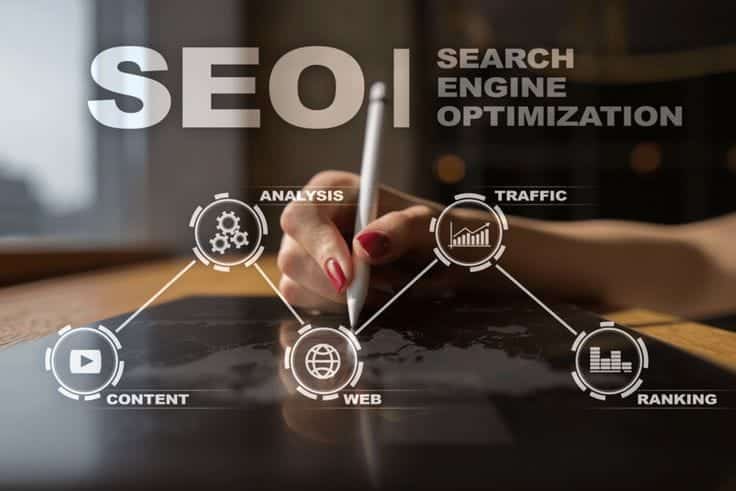
What is SEO and How does it Work?

What is SEO and how does it work?

In the bustling world of digital marketing, there’s a three-letter acronym that reigns supreme: SEO, or Search Engine Optimization. It’s the backbone of online visibility, the magic behind the curtain that determines whether your website sinks or swims in the vast ocean of the internet. But what exactly is SEO, and how does it work? Let’s embark on a journey to unravel this enigma. What is SEO? At its core, SEO is the process of optimizing your website to rank higher in search engine results pages (SERPs) for relevant keywords and phrases. Essentially, it’s about making your site more visible to people who are searching for information, products, or services related to your business. Think of it as a digital roadmap that guides users straight to your virtual doorstep. How Does SEO Work? Crawling and Indexing: Search engines like Google employ sophisticated software known as crawlers or spiders to scour the web and gather information about all the content they can find. These crawlers continuously crawl billions of web pages, indexing them based on various factors like content quality, relevance, and authority. Keyword Research: Keywords are the foundation of SEO. They’re the words and phrases users type into search engines when looking for something. Keyword research involves identifying the terms your target audience is using and strategically incorporating them into your content. On-Page Optimization: This involves optimizing individual web pages to make them more search engine-friendly. This includes optimizing titles, meta descriptions, headings, and URL structures, as well as ensuring that the content itself is high-quality, relevant, and engaging. Off-Page Optimization: Off-page optimization focuses on improving your website’s authority and credibility by acquiring backlinks from other reputable websites. This is often done through strategies like guest blogging, influencer outreach, and social media marketing. Technical SEO: Technical SEO deals with the backend of your website, ensuring that it’s properly configured for search engine crawlers. This includes optimizing site speed, fixing broken links, improving mobile-friendliness, and implementing schema markup. Content Marketing: Content is king in the world of SEO. Producing high-quality, informative, and engaging content not only attracts visitors to your site but also earns you valuable backlinks and social shares, further boosting your search engine rankings. User Experience (UX): Search engines prioritize websites that offer a great user experience. This includes factors like page load times, mobile responsiveness, intuitive navigation, and overall usability. By enhancing your site’s UX, you can improve its SEO performance. Analytics and Monitoring: SEO is an ongoing process, and it’s essential to continually monitor and analyze your website’s performance. Tools like Google Analytics and Google Search Console provide valuable insights into your site’s traffic, rankings, and user behavior, allowing you to make data-driven decisions to optimize your SEO strategy further. The Importance of SEO So why is SEO so important? Here are a few key reasons: Increased Visibility: Higher search engine rankings mean more visibility for your website, leading to increased organic traffic and potential customers. Credibility and Trust: Websites that rank higher in search results are often perceived as more credible and trustworthy by users, which can positively impact your brand reputation. Cost-Effectiveness: Compared to traditional advertising methods like print or TV ads, SEO offers a much higher return on investment (ROI) since it targets users who are actively searching for what you offer. Competitive Advantage: In today’s crowded online marketplace, having a strong SEO strategy can give you a competitive edge over your rivals, helping you stand out from the crowd. Long-Term Sustainability: Unlike paid advertising, which stops generating traffic as soon as you stop paying, the effects of SEO are long-lasting. With ongoing optimization, you can maintain and even improve your search engine rankings over time. Conclusion In conclusion, SEO is a multifaceted discipline that plays a pivotal role in the success of any online business. By understanding how it works and implementing effective strategies, you can improve your website’s visibility, attract more traffic, and ultimately achieve your business goals. So embrace the power of SEO and watch your online presence soar to new heights.  

What is SEO and how does it work? Read More »

6. Use Social Media Platforms for Your HR Service Providers

9 skills you need to become a great social media manager

In the fast-paced world of digital marketing, social media has become an indispensable tool for businesses to connect with their audience, build brand awareness, and drive sales. Behind every successful social media presence lies a skilled social media manager who possesses a unique blend of talents. To excel in this role, aspiring social media managers must cultivate a diverse skill set that encompasses strategic thinking, creativity, analytics, and more. In this article, we’ll explore nine essential skills that are crucial for becoming a great social media manager. 1. Strategic Thinking and Planning A great social media manager doesn’t just post content randomly; they develop and execute well-thought-out strategies that align with the overall goals of the business. Strategic thinking involves understanding the target audience, identifying key performance indicators (KPIs), and devising plans to achieve measurable results. Whether it’s increasing brand awareness, driving website traffic, or boosting sales, a strategic approach is essential for success in social media management. 2. Content Creation and Curation Compelling content is the cornerstone of any successful social media strategy. Social media managers must have a knack for creating engaging content that resonates with their audience. This includes crafting captivating captions, designing eye-catching graphics, and producing videos that stand out in a crowded feed. Additionally, adept managers know how to curate content from other sources to keep their social media profiles fresh and diverse. 3. Community Engagement and Management Building a loyal and engaged community is essential for fostering brand advocacy and driving organic growth on social media. Social media managers must actively engage with their audience by responding to comments, messages, and mentions in a timely manner. They should also initiate and participate in conversations, ask questions, and encourage user-generated content to foster a sense of belonging and community among followers. 4. Data Analysis and Interpretation Data-driven decision-making is key to optimizing social media performance and achieving desired outcomes. Social media managers must be proficient in analyzing metrics such as engagement rates, reach, impressions, and conversions. By understanding these metrics and identifying patterns and trends, managers can refine their strategies, allocate resources more effectively, and maximize ROI. 5. Advertising and Paid Promotion In addition to organic content, paid advertising plays a crucial role in reaching target audiences and driving conversions on social media. Social media managers must have a deep understanding of advertising platforms such as Facebook Ads, Instagram Ads, and LinkedIn Ads. They should know how to set up and optimize ad campaigns, target specific audience segments, and track and measure ad performance to achieve optimal results. 6. SEO and Social Media Optimization Search engine optimization (SEO) isn’t just for websites; it also applies to social media profiles and content. Social media managers should have a basic understanding of SEO principles and techniques, such as keyword research, hashtag usage, and link building. By optimizing social media profiles and content for search engines, managers can increase visibility, drive organic traffic, and improve overall discoverability. 7. Adaptability and Flexibility The social media landscape is constantly evolving, with new platforms, features, and trends emerging all the time. Social media managers must be adaptable and flexible, able to quickly learn and master new tools and techniques. Whether it’s adapting to algorithm changes, experimenting with new content formats, or embracing emerging platforms, flexibility is essential for staying ahead of the curve in social media management. 8. Excellent Communication Skills Effective communication is essential for engaging with followers, collaborating with team members, and conveying the brand’s message across social media channels. Social media managers should have strong written and verbal communication skills, as well as the ability to tailor their messaging to different audiences and platforms. They should also be skilled at building relationships with influencers, partners, and other stakeholders to amplify the brand’s reach and impact. 9. Time Management and Organization Managing multiple social media accounts, scheduling posts, engaging with followers, and analyzing performance metrics can be time-consuming tasks. Social media managers must be adept at managing their time effectively, prioritizing tasks, and staying organized. By maintaining a clear schedule and workflow, managers can ensure that social media efforts are executed efficiently and consistently, leading to better results and ROI. Becoming a great social media manager requires a combination of strategic thinking, creativity, analytics, and communication skills. By mastering these nine essential skills, aspiring social media managers can position themselves as valuable assets to any business looking to succeed in the ever-evolving world of social media marketing. With dedication, practice, and a willingness to learn and adapt, anyone can become a successful social media manager and make a meaningful impact in the digital realm.  

9 skills you need to become a great social media manager Read More »