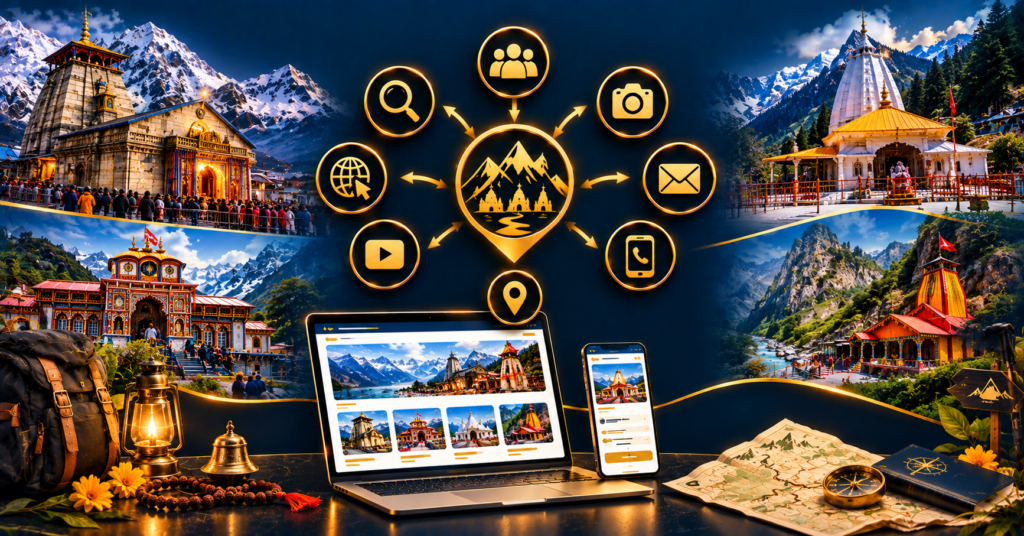
Planning a Char Dham Yatra is a big decision. Families think about it for weeks. Most of them begin on a phone. They search for packages, watch videos, and read reviews. They compare prices, hotels, cabs, itineraries, and safety arrangements. Then they send enquiries to a few companies.
This is why Char Dham travel businesses need digital marketing today. Pilgrims want clear answers before they trust anyone. Will the hotels be clean? Is the trip safe for elderly parents? Are there hidden costs? If your website and ads do not answer these questions, the visitor will leave.
A proper lead generation system fixes this. It brings the right people to your business and gives you their details. It also helps you reply fast and build trust. In this guide, you will learn how to do it step by step.
What Lead Generation Means for a Char Dham Yatra Business?
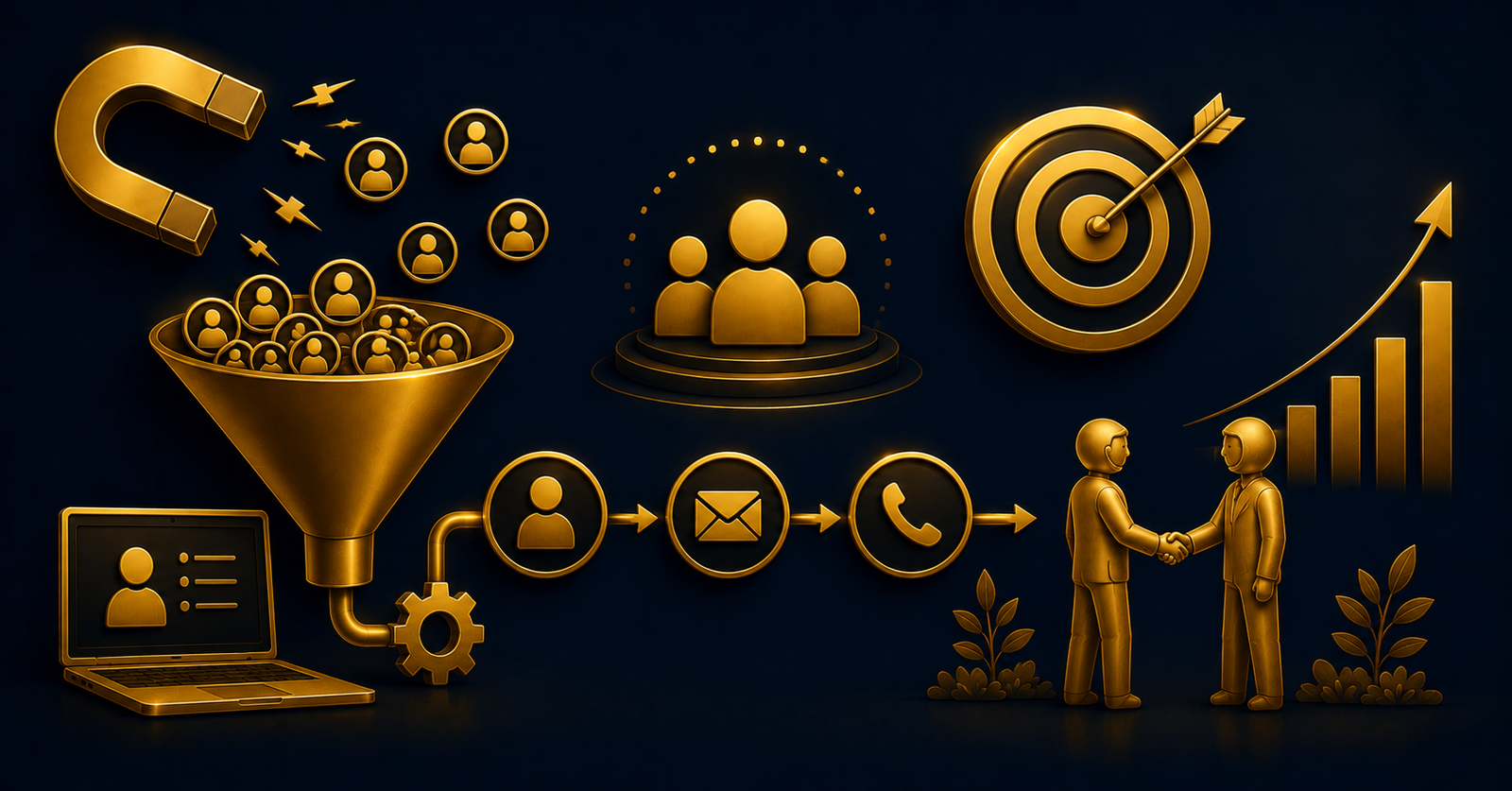
A lead is a person who shows interest in your tour. They may fill a form, call your office, or message you on WhatsApp. Lead generation is the work of attracting these people and starting a real conversation.
The goal is not to collect hundreds of random enquiries. The goal is to get genuine ones. Your buyers may be families, groups, senior citizens, or couples. Some want budget packages. Some want premium stays. Others want helicopter packages, hotel and transport packages, or a customized Char Dham Yatra.
Many tour owners look for Lead Generation Services because they are tired of time-wasting calls. A clear Lead Generation Strategy solves this. It matches each ad, page, and message with one type of traveller. That makes every enquiry more useful.
The Complete Lead Generation Journey
The journey starts with online visibility. A pilgrim sees your ad or finds your page on Google. They visit your website and read the package. If they like it, they send an enquiry. Then they usually move to a call or a WhatsApp chat.
Next comes follow-up. You share the itinerary and price and answer their questions. Some people ask for a short consultation. Finally, they pay an advance, and the booking is confirmed.
Every step can fail. A slow website loses visitors. A long form loses enquiries. A late reply loses the lead.
Speed and trust matter most here. A Char Dham trip is not an ordinary holiday. It is a spiritual journey, and for many people it happens once in life. They worry about safety, weather, and their parents’ health. A fast and honest reply shows that you are reliable. Often, the company that replies first gets the booking.
Planning Campaigns for Each Char Dham Destination
The four dhams are Yamunotri, Gangotri, Kedarnath, and Badrinath. Each one raises different questions. So each needs its own landing page, content, and campaign.
For Yamunotri, people ask about the trek from Janki Chatti and the pony or palanquin options. For Gangotri, they ask about road travel and nearby places. Kedarnath gets the most searches. Visitors want to know about the trek, helicopter service, registration, and weather. Badrinath is easier to reach by road, so many seniors choose it. They ask about hotels and darshan timings.
You should also build pages by package type. Make one for budget tours, one for families, one for senior citizens, and one for groups. Add pages for helicopter packages and hotel and transport packages. Create pages by departure city too, such as Delhi, Haridwar, Mumbai, or Ahmedabad. Then every ad can lead to a page that matches the search exactly.
Google Ads for Char Dham Yatra Lead Generation
Google Ads is often the best first channel. People on Google are already looking for something. A person who types “Kedarnath Yatra package from Delhi” is much closer to booking than a person scrolling social media.
Start with keyword research. Use phrases like Char Dham Yatra package, Kedarnath Yatra package, Badrinath Yatra package, and Char Dham tour package from your target cities. Group them by destination and package type. Then study search intent. A search for “Char Dham route map” shows someone who is only learning. A search for “Char Dham package price for 6 people” shows someone ready to compare quotes.
Location targeting is important. Target the cities where your buyers live, not just Uttarakhand. Many pilgrims come from Gujarat, Maharashtra, Delhi, and the south. Also add negative keywords such as “free”, “jobs”, “images”, and “weather today”. These stop clicks from people who will never book.
Keep your ad copy simple. Mention the trip length, the main benefit, and a clear action. For example: “6 Nights Char Dham Yatra. Hotels and Cab Included. Get a Free Quote.” Add call extensions so people can phone you with one tap. Lead forms inside the ad can also help.
The landing page matters as much as the ad. Send people to a page that matches their search. Set up conversion tracking for calls, form fills, and WhatsApp clicks. Use remarketing to bring back visitors who did not enquire. Review your budget every week. Move money to campaigns that give bookings and pause those that only give clicks.
A skilled PPC Consultant can manage this process with care. Good PPC Services focus on enquiries that turn into travellers, not just traffic.
Meta Ads: Facebook and Instagram
Google reaches people who are searching. Meta reaches people who are not searching yet. Someone may watch a Kedarnath reel and think, “I should plan this trip.” That interest is what Meta Ads can create.
Use strong visuals. Short videos of temples, mountains, and the Ganga Aarti work well. Real photos of your own groups are better than stock images. Itinerary creatives also help. A simple graphic with Day 1 to Day 10 lets people picture the journey.
Testimonials build trust fast. A short video of a happy family sharing their experience can do more than a long ad. You can also promote package offers, early-bird deals, and departure dates.
You can use lead forms, which let people enquire without leaving the app. You can also run click-to-WhatsApp campaigns. These suit Indian travellers well, because many prefer chatting to filling long forms.
Split your audience into segments. Write one message for adult children who book for their parents. Write another for families, another for friends’ groups, and another for spiritual communities. Use retargeting to show ads to people who watched your videos or visited your site.
Meta leads often need more nurturing. People may be interested but not ready. Strong Social Media Services keep your pages active between campaigns. They also build trust before a person ever sends an enquiry.
LinkedIn Ads: Where They Fit
LinkedIn is not the main channel for individual pilgrims. Most families do not search for Char Dham packages on a professional network. Google and Meta bring more personal enquiries at a lower cost.
Still, LinkedIn has a place. Companies sometimes plan spiritual tours for employees. HR teams and corporate travel managers may look for a trusted group travel partner. Travel agencies may also want ground partners in Uttarakhand. These are B2B relationships, and LinkedIn suits them well.
Use it in a small and focused way. Target job titles like HR manager, admin head, and travel manager. Offer something clear, such as a corporate group package or an agent partnership. The cost per click is higher, so use LinkedIn only if this segment matters to your business.
SEO Services for Char Dham Yatra Businesses
Paid ads stop when the budget ends. SEO keeps working month after month. Good SEO Services help your business appear in free search results when pilgrims look for tours.
Begin with keyword research and search intent. Some people want information, like the best time to visit Kedarnath. Others want to buy, like a senior citizen package. Create content for both groups.
Build destination pages for Yamunotri, Gangotri, Kedarnath, and Badrinath. Build package pages for each trip type. Then publish blog posts about routes, travel tips, and packing lists. Link these pages to each other with internal links. This helps visitors reach your packages and helps Google understand your site.
On-page SEO is simple but powerful. Write clear title tags and meta descriptions. Use one H1 per page. Compress images and add helpful alt text. Keep URLs short and clean.
Technical SEO is the base of everything. Your site must load fast, work well on mobile, and be easy for Google to crawl. Fix broken links and duplicate pages. Add schema markup for reviews, FAQs, and travel packages. This can make your listing look richer in search results.
Lastly, earn backlinks from trusted travel blogs, directories, and tourism sites. A few good links beat hundreds of weak ones. A reliable Digital Marketing Company often combines all these tasks in one plan.
Local SEO and Google Business Profile
Many travellers check a company’s Google listing before they call. If you have an office in Haridwar, Rishikesh, Dehradun, or any other city, set up a Google Business Profile.
Keep your business name, address, phone number, and website accurate. Use the same details everywhere online. Add real photos of your office, vehicles, and tour groups. List your services clearly. Post updates about new departures and offers.
Reviews matter a lot here. Ask happy travellers for honest feedback, and reply to every review. An active and accurate profile shows that your business is real. That trust brings more local enquiries and calls.
Building High-Converting Landing Pages
A landing page has one job. It must turn a visitor into an enquiry. Do not send ad traffic to your homepage. Send it to a focused page instead.
Start with a clear headline, such as “9-Day Char Dham Yatra from Delhi for Families.” Show the package price, or at least a starting price. Hidden prices make people suspicious.
Add the day-by-day itinerary in simple words. List what is included and what is not. Name your hotels or hotel category and explain the transport type. Show travel dates and state your cancellation policy honestly.
Place a short enquiry form near the top. Add a WhatsApp button and a phone number people can tap. Include real reviews, photos, and trust signals such as registration details and years in business. Add FAQs to answer doubts about medical help and weather. End with a clear call to action, like “Get the Itinerary on WhatsApp.”
WhatsApp Marketing and Follow-Ups

In India, WhatsApp is often where the deal closes. Reply within minutes if you can. Say hello, thank the person, and ask one or two easy questions about dates and group size.
Then share the itinerary, price, and inclusions. A short PDF or a clean image works well. Later, send reminders about booking dates and a list of documents, such as ID proofs. Share payment details clearly and confirm once the payment arrives.
Make each message personal. Use the person’s name, group size, and chosen package. Do not send the same text again and again. Space out your follow-ups and add value each time, such as a weather update or a travel tip. If someone says they are not interested, stop. Respectful follow-up builds trust. Spam destroys it.
Customer Reviews and Online Reputation
Families trust other families. Before booking, many pilgrims read Google reviews, check social pages, and ask friends. A company with no reviews looks risky.
Ask for a review after every trip. Make it easy by sending a direct link. Show testimonials on your website along with real customer photos and short videos. Avoid fake-looking reviews. People can spot them, and they harm your name.
Respond to negative reviews with calm and care. Thank the person, say sorry for the problem, and explain how you will fix it. Future customers will notice this. Also be open about prices, delays, and weather risks. Honest information builds a strong name over time.
Lead Nurturing
Many pilgrims do not book on the first day. They may wait for family approval, check dates, or compare other offers. Lead nurturing keeps you in their mind without pressure.
Use more than one channel. Send a helpful email with a sample itinerary. Make a friendly call after a few days. Use remarketing ads as a gentle reminder. Share guides like what to carry for Kedarnath or how seniors can prepare for high altitude. Send seasonal reminders when booking windows are near.
CRM, Call Tracking, and Analytics
You cannot improve what you do not measure. A CRM stores every lead in one place. It shows the source, the status, and the next follow-up date. This stops leads from getting lost.
Add call tracking so you know which ad or page produced each call. Record the source for form fills and WhatsApp chats too. Let people book a consultation slot online if they prefer a planned call.
Set up conversion tracking in Google Ads, Meta, and your analytics tool. Then compare the sources. One campaign may bring many enquiries but few bookings. Another may bring fewer enquiries but more confirmed travellers. This helps you move your budget to what truly works.
Common Lead Generation Mistakes
Many Char Dham operators repeat the same errors. Some target the wrong audience, such as people outside their service area. Some use unclear package details. Others send all ad traffic to the homepage.
Slow follow-up is another big problem. Hidden costs break trust quickly. Weak landing pages, poor mobile design, and fake-looking reviews also hurt. The biggest mistake is running ads without proper conversion tracking. Without it, you are only guessing.
Why Mobile-Friendly Websites Matter?
Most travellers search from a smartphone. If your site is slow or hard to read, they will leave in seconds.
Aim for fast loading. Compress images and avoid heavy scripts. Keep the menu simple. Add click-to-call and WhatsApp buttons that stay visible. Use short forms with only a few fields. Make the text readable and the buttons easy to tap. Show key booking details, like price and dates, without long scrolling.
Quality Leads Over High Volume
A hundred poor leads waste time. Ten good leads can fill a batch. So filter enquiries early.
Ask for the travel date, number of travellers, preferred package, and budget. Ask for the departure city, hotel preference, and transport needs. You can add these as form fields or quick WhatsApp questions. Then sort leads into hot, warm, and cold groups. Call the hot ones first. This saves your team’s time and improves your closing rate.
Measuring Lead Generation Performance
Numbers help you decide where to spend. Here are the key ones in simple words.
Cost Per Lead (CPL) is what you pay for one enquiry. If you spend ₹10,000 and get 50 enquiries, your CPL is ₹200.
Conversion Rate is the share of visitors who take action. If 1,000 people visit and 40 enquire, your conversion rate is 4 percent.
Lead-to-Booking Rate shows how many enquiries become bookings. If 50 leads give 5 bookings, the rate is 10 percent.
Customer Acquisition Cost (CAC) is the total cost of winning one paying customer. If you spend ₹10,000 and get 5 bookings, your CAC is ₹2,000.
Return on Ad Spend (ROAS) shows how much revenue you earn for each rupee spent on ads. If ₹10,000 brings ₹1,00,000 in bookings, your ROAS is 10.
Customer Lifetime Value (CLV) is the total value a customer brings over time. A family may book Char Dham now and later book another pilgrimage. Repeat business raises CLV.
Together, these numbers show which channel is cheap but weak and which is costly but profitable. A low CPL is not always good if there are few leads. Your best Lead Generation Strategy looks at all these numbers together.
Seasonal Lead Generation Strategies
The Yatra follows a season, so plan ahead. Before the season opens, run awareness campaigns and early-bird offers. Publish content about routes, registration, and preparation. Start collecting enquiries early.
During peak booking periods, raise your budget on high-intent Google searches. Promote family packages, senior-friendly packages, group departures, and helicopter packages. Reply fast, because demand is high and buyers compare many offers.
In slower periods, focus on nurturing, reviews, and SEO. Offer customized itineraries and start planning for next year. Always be honest. Do not promise guaranteed darshan, perfect weather, or fixed helicopter availability. Mountain conditions change, and clear communication protects your name.
Future Trends in Pilgrimage Digital Marketing
AI tools will help personalise messages and suggest packages based on a traveller’s needs. Automated follow-ups will reply instantly and send reminders on time. Video marketing will keep growing, especially short reels and travel stories. Voice search will rise as more people ask their phones about Kedarnath or Badrinath.
Landing pages may change based on the visitor’s city or interest. CRM automation will save time. Conversion tracking will become smarter and more accurate. Businesses that adopt these tools early will gain an edge. Still, trust and good service will always stay at the centre.
Choosing the Right Lead Generation Consultant for Your Char Dham Yatra Business

Running ads, SEO, and follow-ups together is hard. A good Lead Generation Consultant brings a clear plan and tests it with real data.
Gaurav Dubey has worked in digital marketing since 2013. He has completed 950+ projects and has served clients from 15+ countries. His work covers Lead Generation Services, SEO Services, PPC, and wider digital marketing strategy. This mix matters because leads rarely come from one channel alone. Search, ads, landing pages, and follow-ups must work as one system.
Many businesses also look for Digital Marketing Services that cover everything under one roof. When you choose a Digital Marketing Consultant, look for honesty, clear reports, and a focus on bookings instead of clicks. Ask how they track leads and improve lead quality. The right partner will explain everything in simple words.
Frequently Asked Questions (FAQs)
- What is the best way to generate leads for Char Dham Yatra packages?
A mix works best. Use Google Ads for people ready to book, Meta Ads to build interest, and SEO for steady free traffic. Support all three with fast WhatsApp follow-up.
- Is Google Ads good for Char Dham Yatra bookings?
Yes. Google Ads reaches people who are searching for packages right now. With the right keywords, negative keywords, and focused landing pages, it can bring high-intent enquiries.
- How can Meta Ads help a pilgrimage travel business?
Meta Ads show your offers to people who are not yet searching. Videos, testimonials, and click-to-WhatsApp ads help you start conversations with families who are planning a trip.
- How long does SEO take to bring Char Dham enquiries?
It often takes a few months to see steady growth. Results depend on competition, content quality, site speed, and backlinks. SEO works best as a long-term effort.
- What should a Char Dham landing page include?
It needs a clear headline, price, itinerary, inclusions, exclusions, hotels, transport, dates, and cancellation policy. Add a short form, WhatsApp button, reviews, and FAQs.
- How can I improve lead quality?
Ask about travel date, group size, budget, departure city, and package choice. Show clear pricing in ads so only serious people enquire. Then call the best-fit leads first.
- How fast should I follow up on a new enquiry?
As fast as you can, ideally within a few minutes. Early replies build trust and beat competitors. After that, follow up politely over the next few days.
- What is a good cost per lead for Char Dham packages?
There is no fixed number. It depends on package value, season, and city. Compare your CPL with your lead-to-booking rate to see if the cost is worth it.
- How do I know which campaign gives real bookings?
Use a CRM, call tracking, and conversion tracking. Record the source of every lead and mark which ones book. Then compare the results by campaign.
- Why do many Char Dham enquiries never turn into bookings?
Common reasons are slow replies, unclear pricing, weak trust signals, and poor follow-up. Many people also just need more time. Steady and helpful nurturing brings many of them back.
Conclusion
Char Dham Yatra is a deeply personal journey, and travellers choose their tour company with care. To win their trust, you must be visible, clear, fast, and honest. Google Ads reaches people who are ready to book. Meta Ads builds interest. SEO brings steady, long-term traffic. LinkedIn helps with corporate and partner groups. Strong landing pages, quick WhatsApp replies, good reviews, and proper tracking turn interest into bookings.
If you want steady and genuine enquiries, work with someone who understands both marketing and travel. Gaurav Dubey, Digital Marketing Consultant, helps tour businesses with Lead Generation Services for Char Dham Yatra packages. His approach combines SEO, PPC, and smart follow-up systems built around real bookings. Reach out today and start building a lead system that supports your business in every season.