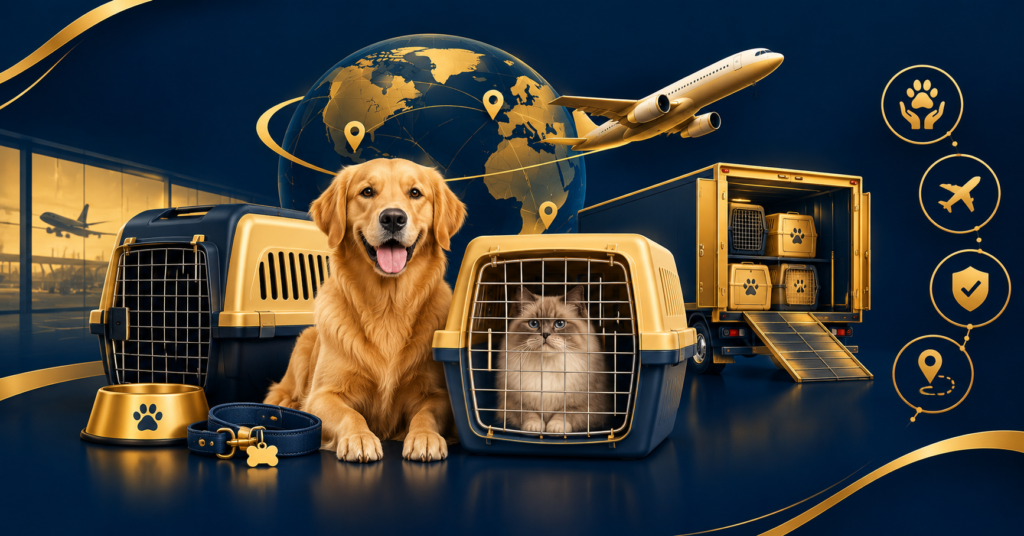
Moving is stressful. Moving with a pet is even harder. Pet owners worry about flights, stress, paperwork, and safety. So they search online long before they call anyone.
They type phrases like “pet movers near me” or “how to ship a dog to another country.” They read reviews. They compare companies. Then they send a few enquiries.
This is where lead generation for pet movers company owners becomes important. If your business shows up at the right moment, with clear and honest information, you win trust early. In this guide, you will learn how to attract, convert, and track the right leads in simple steps.
What Lead Generation Means for a Pet Movers Company?
Lead generation means getting people interested in your service and collecting their details. For a pet mover, a lead is a pet owner who wants a quote. They may fill in a form, call you, or message you on WhatsApp.
Pet relocation is not an impulse purchase. People plan it. They research for days or weeks. So your marketing must guide them step by step.
Good lead generation does not chase everyone. It reaches people who need your exact service, in your service area, at the right time.
The Pet Owner’s Customer Journey
Understanding the journey helps you place the right message at each step.
Step 1: Awareness
The owner learns they must move. A job transfer, a new home, or a move abroad starts the process. They ask basic questions, such as “Can my dog fly?” or “What papers does my cat need?”
Step 2: Research
Next, they look for companies. They read websites, check Google reviews, and watch videos. They want proof that you handle animals safely.
Step 3: Enquiry
Then they request a quote. They fill in a form, call, or message on WhatsApp. At this point, speed matters.
Step 4: Comparison
Most owners contact two or three companies. They compare price, clarity, and how caring the team feels.
Step 5: Booking
Finally, they book. They chose the company that answered fast, explained clearly, and sounded trustworthy.
Your marketing should support every step. That is the heart of lead generation for pet movers company success.
Services You Can Promote
Do not market one general service. Pet owners search for specific needs. So create clear messages for each one.
Domestic pet relocation helps owners moving within the same country. International pet relocation covers flights, import rules, and health certificates. Airport-to-airport transportation suits owners who can drop off and collect the pet themselves. Door-to-door relocation is more convenient, since your team handles pickup and delivery.
You can also promote documentation support, such as vet certificates, permits, and customs paperwork. Travel planning is another strong offer. It includes route selection, crate guidance, and timing advice. Above all, talk about safe transportation. Explain how you keep pets calm, comfortable, and cared for.
Each service can have its own page, its own ad, and its own message. This makes your marketing sharper and your leads better.
Deep Marketing Analysis: Which Channels Work Best
No single channel does everything. Each one plays a different role. Let us look at them one by one.
Google Ads for High-Intent Searches
Google Ads is often the fastest way to reach ready-to-book customers. People who search “dog relocation Mumbai to Dubai” want help now.
Start with service-based keywords. Use phrases like “international pet shipping,” “pet transport service,” and “door-to-door pet relocation.” Add location targeting so ads show only in cities and countries you serve.
Write ad copy that speaks to worry. Mention safety, experience, and quick quotes. Avoid vague lines like “best service.” Say what you actually do.
Send every click to a focused landing page, not your homepage. The page should match the ad. If the ad says “cat relocation to the UK,” the page should talk about exactly that.
Use call extensions so mobile users can tap and call. Add WhatsApp enquiry options too, since many pet owners prefer chatting. Also build a negative keyword list. Block terms like “free,” “jobs,” “pet food,” or “pet adoption.” This saves budget for real buyers.
Finally, set up conversion tracking. Track form submissions, calls, and WhatsApp clicks. Without tracking, you cannot see which keywords bring real leads. Many companies hire a PPC Consultant for this setup, because small tracking errors can waste a lot of money. Professional PPC Services also help with bid control, testing, and monthly improvements.
Meta Ads on Facebook and Instagram
Meta Ads work differently. People are not searching. They are scrolling. So your job is to start a helpful conversation.
Target people who are likely to relocate. Use interests like moving, expat life, and international jobs. Add pet-owner interests too. Test location groups where your ideal customers live.
Create content that feels useful, not pushy. Short videos about airline crate rules or travel preparation get attention. Real stories about happy pets build trust fast.
Use lead forms for quick enquiries. Keep them short. Ask for name, phone number, pet type, and destination. You can also run click-to-WhatsApp campaigns. These let people message you directly with one tap.
Retargeting is very powerful here. Many people visit your site but do not enquire. Show them a friendly reminder, a review video, or a helpful checklist. Because pet relocation takes time to decide, this gentle follow-up often brings people back.
LinkedIn Ads for Corporate Relocation

LinkedIn is smaller, but it can be valuable. Companies often move employees across cities and countries. Those employees may have pets, and the company may support the cost.
You can target HR managers, relocation professionals, mobility teams, and international employees. Your message should be simple. Offer pet relocation as part of an employee relocation package.
These leads are fewer, but they can be higher in value. One good corporate partnership can bring repeat business all year.
SEO Services for Long-Term Organic Leads
Paid ads stop when the budget stops. SEO keeps working over time. Strong SEO Services help your site appear when pet owners search for answers.
Build dedicated service pages for each offer. Create location-based pages for the cities and routes you serve. Write guides on topics like “how to relocate a dog internationally” or “documents needed to fly with a cat.”
Add FAQs on key pages. They answer real worries and can win search features. Use internal linking to connect related pages. For example, link your international relocation page to your documentation guide. This helps visitors and search engines understand your site.
Educational articles also build trust. When you explain the process clearly, owners feel you know what you are doing.
Local SEO and Google Business Profile
Many people search with a city name. So local visibility matters.
Claim and complete your Google Business Profile. Add your services, service areas, photos, and working hours. Ask happy customers for reviews. Reply to every review politely.
Keep your business name, address, and phone number the same everywhere online. Add local keywords naturally to your pages. This helps you appear in map results and local searches.
Website and Landing Page Strategy
Traffic means nothing if your page does not convert. A good pet relocation page is clear, calm, and trustworthy.
Start with a clear headline. Say exactly what you do and where. For example: “Safe Door-to-Door Pet Relocation Across India and Abroad.”
Next, list your services in simple language. Show both domestic and international options. Add a short quote form near the top. Keep it easy. Too many fields scare people away.
Place phone and WhatsApp buttons where visitors can see them quickly. Many owners prefer to talk to a real person. Make your service areas clear, so nobody wastes time.
Add a short section on pet safety. Explain how you handle crates, rest breaks, temperature, and care during travel. Then show a simple booking process. A three-step outline works well: share details, get a quote, confirm and plan.
Finally, make sure the page works perfectly on mobile. Most visitors will see it on a phone.
Why Do Trust Signals Matter So Much?
Pet owners are not buying a product. They are trusting you with a family member. That changes everything.
So show your proof. Add customer reviews, photos of happy pets, and real stories. Mention your experience, licenses, and partnerships with airlines or vets. Show your team. Share your safety standards openly.
The more worried the customer is, the more proof they need. Trust often decides the booking before price does.
Social Media Marketing That Builds Trust
Good Social Media Services help pet movers stay visible and human. Instagram and Facebook are perfect for this, because people love pet content.
Share pet travel tips and simple relocation checklists. Post preparation guides, like how to get a dog used to a travel crate. Show customer experiences with permission. Share behind-the-scenes clips of how you handle transportation. These behind-the-scenes posts show that you care.
Short educational videos work very well. Answer one question per video. For example, “Can a cat travel in cabin?” or “How early should I book pet relocation?”
Be consistent. Posting a few useful pieces each week is better than posting daily without a plan. Over time, your page becomes a place people trust, and trust turns into enquiries.
Lead Follow-Up and Conversion
Getting a lead is only half the job. Following up well wins the booking.
Reply fast. Pet owners often message several companies at once. The first helpful reply has a big advantage. Use WhatsApp for quick conversation, phone calls for personal care, and email for written quotes and documents.
A CRM system keeps everything organised. It stores each enquiry, reminds you to follow up, and shows where each lead stands.
When you first respond, collect key details:
- Pet type
- Pet size
- Current location
- Destination
- Travel date
- Domestic or international relocation
- Special travel requirements
These details help you give an accurate quote. They also show the customer that you take their pet seriously.
Be helpful, not pushy. Answer questions, explain steps, and share a clear next action. A calm, caring tone often matters more than a lower price. Fast and friendly follow-up can improve your lead-to-booking rate quickly.
Lead Quality and Tracking
More leads do not always mean more business. Fifty weak enquiries can waste more time than ten strong ones.
Focus on qualified leads. These are people who need your service, live in your service area, and plan to move soon. Good targeting, clear pricing information, and honest messaging attract them.
Track a few simple numbers:
- Cost per lead: how much you pay for each enquiry.
- Qualified lead rate: the share of enquiries that are a real fit.
- Quote-to-booking conversion rate: how many quotes become bookings.
- Customer acquisition cost: the total marketing cost to win one customer.
- Return on ad spend: the revenue earned for every unit spent on ads.
- Cost per booked relocation: what you spend to secure one confirmed job.
The last metric is the most honest. A cheap lead means little if it never books. Review these numbers monthly and adjust your campaigns.
Common Lead Generation Mistakes

Many pet movers lose leads for simple reasons. Here are the most common ones.
Poor targeting is the first. If your ads show to everyone, you pay for clicks that never convert. Generic advertising is next. A message that could fit any moving company will not attract pet owners.
Weak landing pages also hurt. If the page is confusing, slow, or full of stock photos, people leave. Slow responses are another big problem. A lead that waits a day often goes to a competitor.
Lack of reviews is a quiet killer. Without proof, new customers hesitate. Unclear service areas confuse people too. A poor mobile experence pushes away most visitors.
Lastly, many companies chase only cheap leads. Cheap leads are often low quality. Aim for the right leads, not the lowest price.
Also, communicate your process clearly. Explain how booking works, how pets are handled, what safety standards you follow, and how customers can reach you during the trip. Clear communication reduces fear, and less fear means more bookings.
Technical SEO: The Foundation Behind Your Website
Good content needs a strong base. That is where Technical SEO helps. It makes your site easy for both visitors and search engines to use.
Technical SEO improves website speed. Fast pages keep visitors from leaving. Compress images, reduce heavy scripts, and use good hosting.
It also improves mobile usability. Buttons should be easy to tap. Text should be easy to read. Forms should work smoothly on small screens.
Indexing is another key part. Search engines must find and understand your pages. A clean sitemap and correct settings help your important pages appear in search.
A clear website structure helps too. Group pages logically, such as services, locations, and guides. Use simple URLs and clear menus.
Security matters as well. An HTTPS certificate protects user data and builds trust. Visitors often leave sites that look unsafe.
Finally, page experience affects how people feel on your site. Stable layouts, fast loading, and easy navigation all help. When your technical setup is strong, your content and ads perform better. This improves search visibility over time.
Building a Complete Digital Marketing Strategy
Each channel is useful alone. Together, they are much stronger. A smart Lead Generation Strategy connects every part into one system.
Here is how it can work. Google Ads capture people who are ready to book now. Meta Ads reach people who are planning to move and start the conversation early. SEO brings steady organic traffic. Social media builds trust. Landing pages turn visitors into enquiries. WhatsApp follow-ups and CRM tools help you reply quickly and keep track. Conversion tracking shows what works and what does not.
A good Digital Marketing Company can manage all these parts under one plan. Their Digital Marketing Services may include ads, SEO, content, tracking, and reporting. A Digital Marketing Consultant can guide your team and fix weak spots without a large agency setup. A Lead Generation Consultant focuses on getting qualified enquiries and improving conversion at each stage.
The right Lead Generation Services do not just send traffic. They connect marketing to real bookings. That is the difference between being busy and being profitable.
Choosing the Right Lead Generation Consultant for Your Pet Movers Company

Picking the right partner can save time and money. Look for someone who understands your business, not just ads. They should know how pet owners think, what worries them, and how to build trust.
Gaurav Dubey is a Digital Marketing Consultant with experience since 2013. He has completed 950+ projects and worked with clients from 15+ countries. That experience covers lead generation, SEO, PPC, and wider digital marketing.
For pet movers, this means a practical approach. He can help you plan targeted campaigns, improve landing pages, strengthen search visibility, and set up proper tracking. He can also guide your follow-up process, so more enquiries turn into bookings.
The goal is simple. You get a steady flow of qualified enquiries, not just random clicks. With the right guidance, your marketing becomes predictable and easier to grow.
Frequently Asked Questions (FAQs)
- How do pet movers get more customers online?
Pet movers can get more customers by running targeted ads, building helpful web pages, collecting reviews, and replying to enquiries fast. Each step builds trust and brings in people who need relocation help.
- Which channel works best for pet relocation leads?
Google Ads often brings the fastest results because people search with clear intent. SEO and social media work more slowly but build lasting trust. A mix of channels usually performs best.
- How much should a pet movers company spend on ads?
It depends on your city, routes, and goals. Start with a modest test budget, track results, and increase spending on campaigns that bring booked relocations.
- Are WhatsApp enquiries useful for pet movers?
Yes. Many pet owners like quick, informal chats. WhatsApp lets you answer questions, share documents, and build comfort. It often leads to faster decisions.
- How important are customer reviews?
Very important. Owners are trusting you with their pets. Honest reviews and photos reduce worry and help people choose you over competitors.
- What information should I collect from a new lead?
Ask for pet type, size, current location, destination, travel date, and whether the move is domestic or international. Also ask about any special needs, like age or health.
- How long does it take to see results from SEO?
Most businesses see early movement in three to six months. Strong results often take longer. The effort pays off with steady, low-cost leads over time.
- Can LinkedIn really help a pet movers business?
It can. Corporate employees and HR teams often handle relocation. A clear message about pet support can open doors to partnerships and repeat enquiries.
- Why do some leads never book?
Common reasons include slow replies, unclear pricing, low trust, or poor fit. Better targeting and faster follow-up reduce this problem.
- What is a good lead-to-booking rate?
It varies by market and service type. Instead of chasing a fixed number, track your own rate over time and work to improve it month after month.
Conclusion
Lead generation for pet movers company success comes down to trust, clarity, and speed. Pet owners want safe, caring, and professional help. They search online, compare options, and choose the company that feels most reliable.
Start with clear services and strong landing pages. Use Google Ads for ready buyers, Meta Ads for early planners, and SEO for long-term growth. Build trust through reviews, helpful content, and honest communication. Follow up fast, track the right numbers, and fix weak spots as you learn.
When these parts work together, your business attracts the right people and turns enquiries into booked relocations. Take one step at a time, stay consistent, and keep the pet owner’s peace of mind at the center of everything you do.