The chemical industry is changing fast. It is no longer just about making good products. Today, it is also about being found online. Buyers do not walk into a shop and ask questions anymore. They open Google. They search. They compare. They read reviews. Then they decide who to contact.
Just a few years ago, this was different. A buyer would call a few known suppliers. They would ask for quotes over the phone. They would rely on old relationships and word of mouth. That world is fading fast. Today, even a purchase manager working for a large plant starts with a simple Google search. They look for suppliers they have never heard of before. They check websites. They compare technical data sheets. They read what other buyers say in reviews and forums.
This shift has made the chemical business more competitive than ever. Manufacturers, suppliers, exporters, and distributors are all fighting for the same buyer’s attention. It does not matter how good your product is if no one can find you online. A buyer cannot choose a supplier they never discovered. This is the harsh truth many chemical businesses are learning today. Being the best is not enough. Being visible is just as important.
And the ones who win are the ones who use smart Lead Generation Services to reach the right people at the right time. These businesses do not wait for buyers to find them by chance. They build a system that puts their brand in front of buyers exactly when those buyers are searching. They show up on Google. They show up on LinkedIn. They show up with content that answers real buyer questions. This is not luck. It is strategy.
This change has also raised the bar for everyone. Buyers today expect more information, faster replies, and clear proof of quality before they even pick up the phone. A chemical company with an outdated website, no online presence, or no follow-up system is simply invisible to modern buyers, no matter how strong its products are.
In this blog, we will explain everything about lead generation for the chemical industry. We will keep the language simple. We will keep the sentences short. And we will cover every part of the process, from strategy to tools to real results. Whether you manufacture industrial chemicals, export agrochemicals, or supply laboratory chemicals, this guide will help you understand how to attract the right buyers and turn them into real business.
Why B2B Buyers Now Research Online First
Think about how a purchase manager works today. Before they call a supplier, they search online. They check the website. They look at product pages. They read what other buyers say. Only after this research do they send an enquiry.
This is true for every chemical segment. It does not matter if someone needs industrial solvents or agrochemical formulations. The buyer’s journey starts on a screen, not a phone call.
This is why digital marketing is no longer optional for chemical companies. If your business is not visible online, you are simply not part of the buyer’s shortlist. A strong Digital Marketing Company helps chemical businesses show up at the exact moment a buyer is searching.
What Is Lead Generation and Why Does It Matter
Lead generation is the process of attracting people who are interested in your chemical products, and turning that interest into an enquiry. A lead is simply a potential buyer who has shown interest. They may have filled a form, sent a WhatsApp message, or called your sales team.
For chemical manufacturers, suppliers, exporters, and distributors, leads are the lifeblood of the business. Without a steady flow of new enquiries, sales teams run out of people to talk to. This is where Lead Generation Services come in. They create a system that brings fresh, relevant enquiries every month, instead of relying only on old contacts or trade shows.
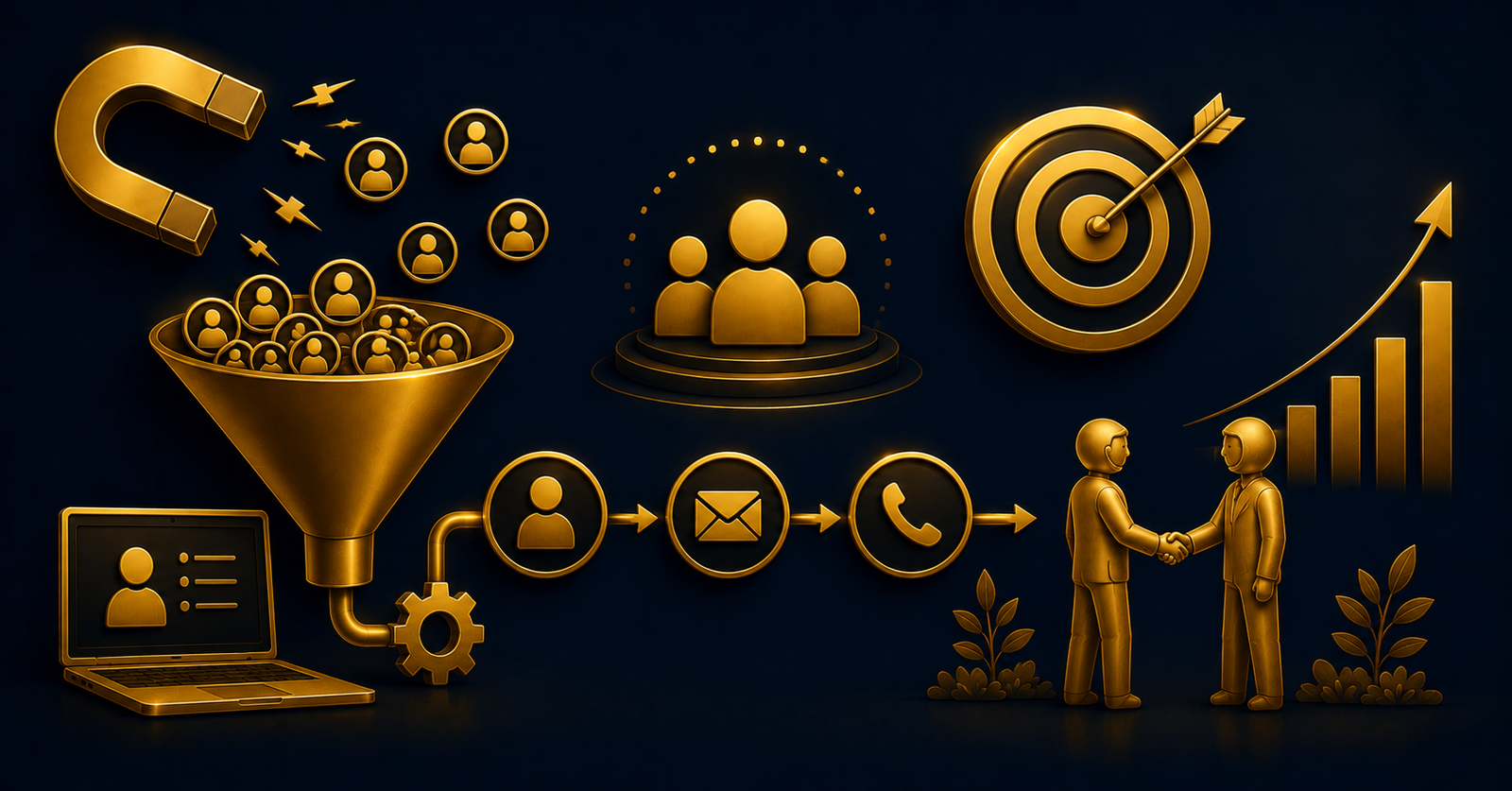
A good lead generation system works like a funnel. At the top, many people see your brand. In the middle, some show interest. At the bottom, a few become real leads who talk to your sales team. The goal is to make this funnel work smoothly, month after month.
Lead Generation Across Different Chemical Industry Segments
The chemical industry is huge, and each segment has its own buyer behaviour. Let’s look at how lead generation works across different areas.
Industrial chemicals buyers usually search for bulk suppliers and long-term contracts. They want proof of consistent quality and supply capacity.
Specialty chemicals buyers often look for custom formulations. They need detailed technical data and certifications before they enquire.
Agrochemicals buyers include distributors and farm input companies. They search seasonally, so timing campaigns around the farming calendar matters a lot.
Pharmaceutical chemicals buyers care deeply about compliance, purity, and documentation. Their online research is detailed and slow.
Laboratory chemicals buyers are often researchers or procurement teams from institutions. They search for specific product names and grades.
Water treatment chemicals buyers usually search when they have an urgent operational need, so fast response time matters.
Construction chemicals buyers include contractors and builders. They often search with location-based terms like “near me.”
Textile chemicals buyers look for dyeing, finishing, and processing solutions, often tied to export orders.
Food-grade chemicals buyers need safety certifications front and centre, since this builds instant trust.
Cleaning chemicals buyers range from small businesses to large facility managers, so messaging must appeal to both.
Petrochemicals buyers are usually large-volume industrial clients, and their research cycle is longer and more technical.
Adhesives and sealants buyers often compare technical specification sheets before reaching out.
Paints and coatings chemicals buyers care about durability, finish, and application data.
Mining chemicals buyers need proof of safety and performance under tough conditions.
Chemical exporters need visibility across international markets, so global SEO and multilingual content matter a lot.
Every segment is different, but they all share one thing. Buyers research before they enquire. That is why every chemical business needs a tailored Lead Generation Strategy, built around how its specific buyers behave.
The Four Channels That Actually Work
There are many marketing channels out there. But for the chemical industry, four channels consistently deliver the best results. Let’s go deep into each one.
1.Google Ads
Google Ads puts your company at the very top of search results when a buyer types something like “specialty chemical suppliers in India.” This is one of the fastest ways to get quality leads because it targets people who are already searching with buying intent.
A skilled PPC Consultant builds these campaigns around real search terms used by chemical buyers, not guesses. They also remove wasteful clicks by adding negative keywords, so your budget goes to real enquiries, not random browsers.
Good PPC Services for the chemical industry include keyword research based on product names and grades, ad copy that speaks the buyer’s language, and landing pages built specifically for each product line. Without this level of detail, Google Ads budgets get wasted fast.
2. Meta Ads (Facebook & Instagram)
Many people assume Meta Ads only work for consumer brands. That is not true. Chemical companies can use Meta Ads to build brand awareness, retarget website visitors, and even generate leads directly through lead forms.
For example, if someone visits your website but does not enquire, Meta Ads can show them a follow-up ad a few days later. This keeps your brand in front of the buyer until they are ready to act. Social Media Services also help build trust through regular posts about certifications, plant capabilities, and case studies, which buyers often check before enquiring.
3. LinkedIn Ads
LinkedIn is where B2B decision-makers spend their time. For chemical businesses selling to procurement managers, plant heads, or export buyers, LinkedIn Ads are extremely powerful.
You can target people by job title, industry, and company size. This means your ads reach the exact person who makes purchase decisions, not a random audience. LinkedIn also works well for account-based marketing, where you target specific companies you want as clients.
4. SEO Services
While Google Ads and Meta Ads bring quick results, SEO Services build long-term, sustainable traffic. SEO means optimising your website so it ranks naturally in search results, without paying for every click.
Good SEO for chemical companies includes optimising product pages, writing helpful blog content, and building your website’s authority through quality backlinks. But there is another side of SEO that many companies ignore: Technical SEO.
Technical SEO covers things buyers never see directly, but that affect everything. This includes website speed, mobile-friendliness, secure connections, clean site structure, and proper indexing by search engines. If your technical SEO is weak, even the best content will struggle to rank. A strong SEO strategy always combines content, backlinks, and technical SEO together.
Landing Pages That Convert
A landing page is the page a visitor reaches after clicking your ad. For chemical businesses, generic homepages do not convert well. Instead, each product or service should have its own landing page with clear information, certifications, and a simple enquiry form.
The best landing pages load fast, explain the product clearly, and have only one goal: getting the visitor to enquire. Too many links or too much text can confuse visitors and lower conversions.
Google Business Profile and Local Trust
Many chemical buyers, especially for construction or cleaning chemicals, search locally. A complete Google Business Profile helps your business show up in these local searches. Add your address, working hours, photos of your facility, and product categories. This builds instant trust and improves your local visibility.
Customer Reviews and Online Reputation
Reviews matter more than most chemical businesses realise. When a buyer sees positive reviews from other companies, it removes doubt and builds confidence. Ask happy clients to leave reviews on Google. Respond to every review, good or bad, professionally.
This is part of a bigger practice called online reputation management. It means actively managing what people see about your brand online, including reviews, mentions, and search results.
Email Marketing and WhatsApp Follow-Ups
Not every lead buys immediately. Some need time. Email marketing keeps your brand in their mind through product updates, industry news, or special offers. It is a low-cost way to stay connected with leads over months.
WhatsApp follow-ups work even better for the chemical industry, especially in markets like India and the Middle East. A quick, friendly WhatsApp message often gets a faster reply than an email. It feels personal and immediate, which builds trust faster.
CRM Integration and Lead Nurturing
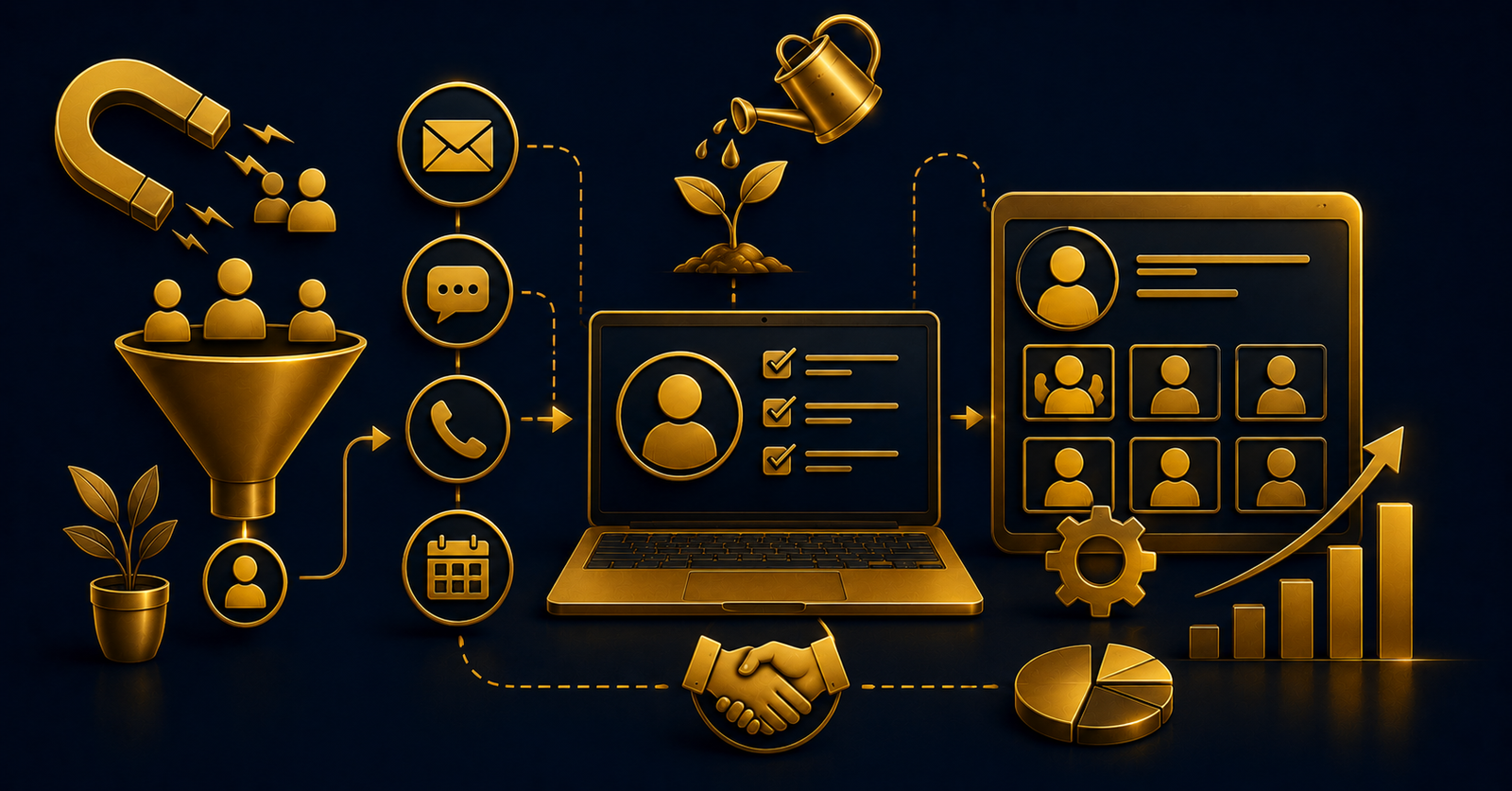
Once leads start coming in, you need a system to manage them. A CRM (Customer Relationship Management) tool stores every lead’s details, tracks conversations, and reminds your sales team to follow up on time. Without a CRM, leads get lost in inboxes and spreadsheets.
Lead nurturing means guiding a lead slowly toward a purchase decision. This could mean sending helpful information, answering questions, or simply staying in touch until they are ready to buy. Most chemical buyers do not decide on the first call, so nurturing is critical.
Call Tracking and Conversion Tracking
If your ads are working, you need proof. Call tracking shows exactly which ad or keyword brought in a phone enquiry. Conversion tracking shows which forms, buttons, or pages led to a lead. Together, these tools tell you exactly where your budget is working best, so you can spend more on what works and less on what doesn’t.
Mobile-Friendly Websites Matter
Many buyers now search on their phones, even for business enquiries. If your website is slow or hard to use on mobile, you lose leads before they even see your products. A mobile-friendly website is no longer optional. It is a basic requirement for any serious lead generation effort.
Common Lead Generation Mistakes in the Chemical Industry
Many chemical companies make the same mistakes. They run ads without proper landing pages. They ignore technical SEO. They collect leads but never follow up on time. They use the same message for every buyer segment, ignoring how different agrochemical buyers are from pharmaceutical chemical buyers.
Another common mistake is stopping campaigns too early. Lead generation takes time to show full results, especially SEO, which can take a few months to build momentum.
Practical Tips for Better Results
Keep your website simple and fast. Use real photos of your plant and products, not stock images. Respond to enquiries within a few hours, not days. Track every lead source so you know what is working. Test different ad messages regularly instead of using one message forever.
Measuring ROI: CPL, CAC, CLV, and Conversion Rate
To know if your lead generation is working, you need to measure the right numbers.
CPL (Cost Per Lead) tells you how much you spend to get one enquiry. CAC (Customer Acquisition Cost) tells you how much you spend to turn a lead into an actual paying customer. CLV (Customer Lifetime Value) tells you how much a customer is worth over their entire relationship with you. Conversion Rate tells you what percentage of visitors or leads actually take the next step.
When you track these four numbers together, you get a clear picture of your marketing’s real return, not just how many leads came in, but how much profit they actually created.
Choosing the Right Lead Generation Consultant for the Chemical Industry
Picking the right partner matters as much as picking the right strategy. The chemical industry has unique buyer behaviour, technical language, and long sales cycles. A generic marketing approach simply does not work here.
This is where working with an experienced Lead Generation Consultant makes a real difference. Gaurav Dubey has been working in digital marketing since 2013, bringing over a decade of hands-on experience to businesses across many industries, including chemicals. Over the years, he has completed more than 950 projects and served clients from over 15 countries, giving him a deep understanding of how different chemical markets behave, from local suppliers to global exporters.
His expertise spans Lead Generation Services, SEO Services, PPC Services, Technical SEO, and Social Media Services, along with complete digital marketing strategies built specifically around a business’s goals. This wide experience means he does not just run isolated campaigns. He builds connected systems where every channel works together to bring consistent, high-quality leads.
Frequently Asked Questions (FAQs)
1.How long does lead generation take to show results for a chemical business?
The time required to see results depends on the marketing channels you use. Google Ads and Meta Ads can start generating enquiries within a few days because they target people who are actively searching for chemical products or suppliers. These platforms are ideal if you need quick leads or want to promote a new product. On the other hand, SEO Services usually take around three to six months to show strong results because search engines need time to rank your website. However, once your website starts ranking, it continues bringing qualified organic traffic without paying for every click. Most successful chemical companies use both paid advertising and SEO together to achieve fast results while building long-term business growth.
2. Which channel is best for chemical exporters?
There is no single best channel for chemical exporters because international buyers usually spend time researching before making purchasing decisions. A combination of SEO Services and LinkedIn Ads works extremely well. SEO helps your website rank for product-specific keywords, making it easier for overseas buyers to discover your business through Google. LinkedIn Ads allow you to reach procurement managers, importers, distributors, and business owners directly. Together, these channels help build credibility, generate qualified B2B enquiries, and support long sales cycles that are common in the chemical export industry.
3. Do small chemical businesses need SEO Services?
Yes. SEO Services are valuable for chemical businesses of every size. Small manufacturers and suppliers often have limited advertising budgets, so ranking organically on Google can provide a steady stream of enquiries without ongoing advertising costs. A well-optimized website helps small businesses compete with larger companies by improving visibility for relevant product searches. Over time, SEO also builds trust because buyers generally view top-ranking websites as more reliable. Although SEO requires patience, it provides long-term benefits and reduces dependence on paid marketing campaigns.
4. How much should a chemical company spend on lead generation?
There is no fixed marketing budget that works for every chemical company. The ideal investment depends on factors such as your product category, target market, competition, service area, and business goals. Many companies begin with a moderate monthly budget to test different campaigns and identify what generates the highest-quality leads. Once they understand which strategies work best, they gradually increase their investment. Working with an experienced Lead Generation Consultant or Digital Marketing Consultant helps ensure your budget is allocated wisely and delivers the best possible return on investment.
5. Can WhatsApp really improve lead conversion?
Yes. WhatsApp has become an important communication channel for many B2B businesses because it allows fast, direct conversations with potential buyers. Many customers prefer receiving product information, quotations, catalogues, or technical documents through WhatsApp instead of email. Quick responses create a professional impression and increase buyer confidence. Automated WhatsApp follow-ups can also remind prospects about quotations, answer common questions, and schedule meetings. Faster communication often leads to higher conversion rates, especially when dealing with buyers from Asia, the Middle East, and other regions where WhatsApp is widely used.
6. What is the biggest mistake chemical companies make with lead generation?
One of the biggest mistakes is failing to respond quickly to enquiries. Many companies invest heavily in advertising and Lead Generation Services, but lose potential customers because nobody follows up promptly. Buyers often contact several suppliers at the same time, and the company that responds first usually has the highest chance of winning the business. Other common mistakes include poor website design, weak landing pages, lack of tracking, and relying only on referrals instead of building a complete digital marketing strategy. A structured follow-up process can significantly improve lead conversion rates.
7. Is Technical SEO really necessary?
Absolutely. Technical SEO ensures that your website performs well for both users and search engines. It includes improving website speed, mobile responsiveness, website security, crawlability, structured data, and fixing technical errors. Even if your content is excellent, Google may struggle to rank your pages if technical issues exist. For chemical companies with large product catalogues and multiple service pages, Technical SEO is especially important because it helps search engines understand and index your website correctly. A technically optimized website improves rankings, user experience, and overall lead generation performance.
8. How do I know if my lead generation campaigns are working?
The best way to measure success is by tracking important performance metrics every month. Cost Per Lead (CPL) shows how much you spend to generate one enquiry. Customer Acquisition Cost (CAC) measures the total cost of converting a lead into a customer. Customer Lifetime Value (CLV) tells you how much revenue one customer generates over the long term, while Conversion Rate measures how many enquiries become actual sales. If your CPL and CAC decrease while your Conversion Rate and CLV increase, your lead generation strategy is delivering positive results and your marketing investment is being used effectively.
9. Should I use Google Ads or SEO first?
The answer depends on your business goals. If you need enquiries immediately, Google Ads are the better choice because they can start generating qualified leads within days. However, relying only on paid advertising can become expensive over time. SEO Services take longer to produce results but create long-term visibility and consistent organic traffic without paying for every visitor. The most effective strategy is to start Google Ads for immediate lead generation while building SEO at the same time. This combination provides both short-term enquiries and sustainable long-term business growth.
10. Can one agency handle both PPC and SEO together?
Yes. In fact, working with one experienced Digital Marketing Company that manages both PPC Services and SEO Services often delivers better results than using separate providers. Both strategies complement each other. PPC provides immediate visibility while SEO builds long-term organic traffic. Data collected from paid campaigns can improve SEO keyword targeting, and SEO insights can help create better PPC advertisements. Managing both channels under one strategy also simplifies reporting, improves budget allocation, and creates a more consistent approach to lead generation, resulting in better overall marketing performance.
Conclusion
The chemical industry has moved online, and buyers now research suppliers long before they make contact. Businesses that adapt to this shift, using smart Lead Generation Strategy, strong SEO, and well-managed PPC campaigns, are the ones winning new business today.
If you want a trusted Digital Marketing Consultant who understands the chemical industry deeply, Gaurav Dubey is a name worth considering. With years of proven experience and a track record across hundreds of projects, he can help your chemical business build a steady, reliable flow of quality leads that actually convert into customers.