
The fitness industry has changed a lot in the last few years. Every city now has dozens of gyms. Every neighborhood has a new fitness studio. People have more choices than ever before.
This is good for customers. But it is tough for gym owners. More competition means it is harder to get noticed. It is harder to get new members. And it is harder to keep old members happy too.
Here is something important. Most people do not just walk into a gym anymore. They search online first. They check Google. They look at reviews. They compare prices. They watch Instagram reels of workouts. Only after all this research do they decide to visit a gym or sign up.
This is why digital marketing is not optional anymore. It is a must. If your gym is not visible online, you are losing members to competitors who are visible. This is where Lead Generation Services come in. These services help gyms and fitness centers find the right people, turn them into leads, and turn those leads into paying members.
In this blog, we will explain everything about lead generation for gyms. We will cover different fitness services, the best marketing channels, common mistakes, and how to measure results. Let’s get started.
What Is Lead Generation and Why Does It Matter?
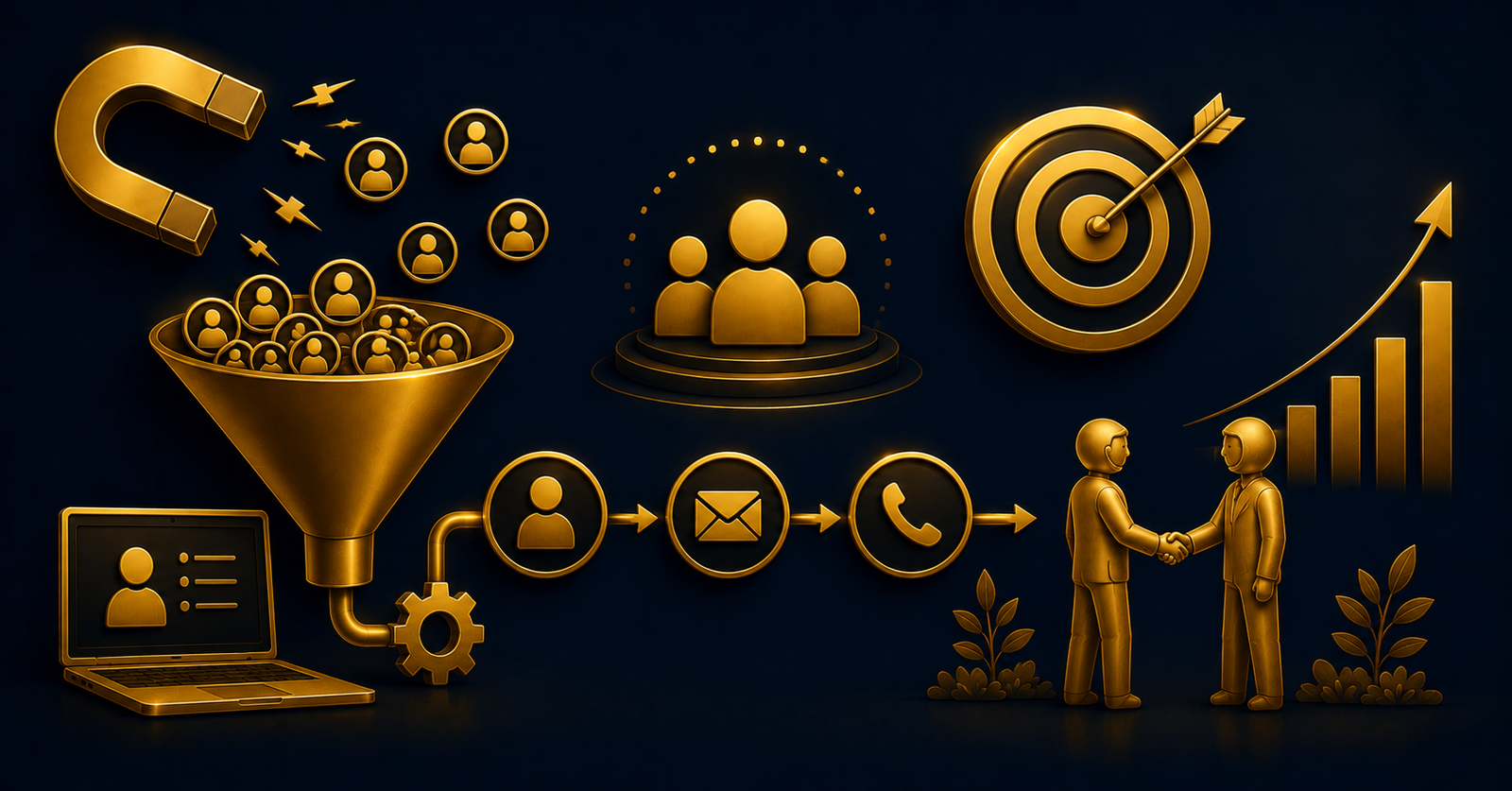
Lead generation simply means finding people who are interested in your gym. A lead is someone who shows interest. Maybe they filled a form. Maybe they clicked an ad. Maybe they asked for a free trial.
Once you get a lead, you follow up with them. You answer their questions. You build trust. Then you convert them into a paying member.
Without lead generation, gyms depend only on walk-ins or word of mouth. That is slow and unpredictable. With a proper Lead Generation Strategy, gyms get a steady flow of interested people every single month.
How Lead Generation Works for Gyms and Fitness Centers
The process is simple to understand. Here is how it usually works:
- A potential member sees your ad or finds your website through search.
- They land on a page that talks about your gym and its offers.
- They fill a form, call you, or message you on WhatsApp.
- Your team follows up and invites them for a free trial or tour.
- They join the gym as a paying member.
This sounds simple. But each step needs to be done correctly. A weak ad, a bad landing page, or a slow follow-up can lose the lead. This is why gyms hire a Lead Generation Consultant who understands the fitness industry and knows how to fix each step of this process.
Fitness Services That Need Strong Lead Generation
Every fitness business is different. Each one needs a different message and different targeting. Let’s look at the main fitness services that benefit from good lead generation.
Gym Memberships: This is the most common service. People search for gyms near them, so local targeting is very important here.
Personal Training: People who want one-on-one attention search separately for personal trainers. Ads for this should highlight results and personal attention.
Weight Loss Programs: This is one of the biggest search categories. People want to see before and after results, so testimonials work very well here.
Muscle Gain Programs: This audience wants proof of real transformations and proper diet guidance along with training.
Strength Training: This is popular with people who already work out and want more focused, serious training.
CrossFit: CrossFit has its own dedicated audience. These ads should focus on community, intensity, and challenge.
Yoga Classes: Yoga attracts a different audience, often looking for stress relief, flexibility, and calm.
Zumba: Zumba ads work best with fun, high-energy videos and images.
Pilates: This audience usually wants low-impact, toning workouts, often women aged 25 to 45.
HIIT Workouts: High intensity interval training attracts busy people who want fast results in less time.
Functional Training: This appeals to people who want everyday strength and mobility, not just muscle size.
Cardio Programs: Cardio ads work well for heart health and weight management searches.
Women’s Fitness: A dedicated women-only fitness program needs its own separate marketing message and often separate targeting.
Senior Fitness: Senior fitness programs need gentle, trust-building messaging, often shared with family members too.
Online Fitness Coaching: This has grown fast after the pandemic. People search for coaches who can guide them from home.
Nutrition Coaching: Many people search for diet help separately from workout help, so this needs its own campaigns.
Body Transformation Programs: These do very well with video ads showing real client journeys.
Corporate Fitness Programs: Companies look for fitness partners for their employees, and this needs a B2B style approach, often through LinkedIn Ads.
Each of these services needs its own message, its own keywords, and its own audience. A generic “join our gym” ad does not work well for all of them together.
Deep Analysis of the Four Best Marketing Channels
There are many ways to market a gym online. But four channels give the best results. Let’s go deep into each one.
1.Google Ads
Google Ads is powerful because it shows your gym to people who are already searching. When someone types “gym near me” or “weight loss program in [city],” your ad can appear right at the top.
This is called intent-based marketing. The person is already interested, so they are more likely to convert. A skilled PPC Consultant knows how to pick the right keywords, write ads that get clicks, and set budgets that do not go to waste.
Google Ads also lets you run Local Service Ads and Google Business Profile-based ads, which are perfect for gyms because most members live within a few kilometers of the gym.
2.Meta Ads (Facebook & Instagram)
Meta Ads work differently from Google Ads. Here, people are not searching. They are scrolling. So your ad needs to catch their attention first.
Video ads work best on Meta. Short clips of workouts, transformation photos, and client testimonials perform very well. Meta also allows very detailed targeting. You can target people by age, location, interests, and even behavior, like people who follow other fitness pages.
Good Social Media Services make sure your Meta Ads look professional, feel trustworthy, and speak directly to your ideal member. Meta Ads are also great for retargeting, meaning you can show ads again to people who visited your website but did not sign up yet.
3.LinkedIn Ads
LinkedIn Ads are not for every gym. But they are perfect for corporate fitness programs and premium fitness clubs. If your gym wants to partner with companies for employee wellness programs, LinkedIn is the best place to find HR managers and company decision-makers.
LinkedIn Ads cost more than Meta or Google. But the leads are often higher quality for B2B fitness offers. This channel works well alongside a solid Digital Marketing Company strategy that also uses Google and Meta for regular memberships.
4.SEO Services
SEO Services are different from ads. Ads stop working the moment you stop paying. SEO keeps working for months and years after the initial effort. This is called organic traffic, and it is free once it is set up properly.
Good SEO includes writing helpful blog content, optimizing your website for local searches, getting listed on Google Maps, and building your gym’s online reputation. It also includes Technical SEO, which means making sure your website loads fast, works well on mobile phones, and has no broken links or errors that stop Google from ranking your pages.
Most successful gyms use SEO along with paid ads. Ads bring fast results. SEO builds a strong foundation for the long term.
Landing Pages That Convert
A landing page is where people go after clicking your ad. If this page is weak, you lose the lead even after paying for the click.
A good gym landing page should have:
- A clear headline about the offer
- Photos or videos of the gym
- A simple form asking for name and phone number
- Client testimonials
- A clear call-to-action button
Keep the form short. Long forms scare people away. Two or three fields are usually enough.
Google Business Profile

Your Google Business Profile is often the first thing people see when they search for your gym. It shows your address, phone number, timings, photos, and reviews.
Keep this profile updated. Add new photos regularly. Reply to every review, good or bad. A complete and active profile helps you rank higher in local search results and builds instant trust.
Customer Reviews
Reviews are proof that your gym works. Most people check reviews before deciding to join. Ask happy members to leave a review after a good workout session or after they reach a fitness goal.
Never ignore negative reviews. Reply politely and offer to solve the issue. This shows new visitors that you care about your members.
WhatsApp Follow-Ups
WhatsApp is one of the fastest ways to talk to leads, especially in countries where it is widely used. When someone fills a form, send them a quick WhatsApp message within minutes. Share gym photos, timings, and offers directly in the chat.
Quick replies matter a lot. Leads often join the gym that responds first.
Email Marketing
Email is useful for nurturing leads who are not ready to join immediately. Send helpful content like workout tips, diet advice, or membership offers. This keeps your gym in their mind until they are ready to sign up.
Lead Nurturing
Not every lead joins on day one. Some need a few days or weeks of follow-up. This is called lead nurturing. It includes calls, messages, emails, and even special offers to convince someone who is still thinking about it.
A clear Lead Generation Strategy always includes a nurturing plan, not just a one-time follow-up.
CRM Integration
A CRM (Customer Relationship Management) tool helps you track every lead in one place. You can see who was contacted, who is interested, and who needs a follow-up. Without a CRM, leads often get lost or forgotten, especially when you are running multiple campaigns at once.
Conversion Tracking
Conversion tracking tells you exactly which ad, keyword, or page brought in a lead. Without this, you are guessing where your money is going. With proper tracking, you know exactly what is working and what needs to change.
Call Tracking
Many gym leads come through phone calls, not just online forms. Call tracking shows you which ad or campaign brought each call. This helps you understand your real return on investment, not just your form submissions.
Online Reputation Management
Your online reputation affects how many people trust and choose your gym. This includes managing reviews, responding to comments, and keeping your social media pages active and positive. A gym with strong reputation management always converts better than one that ignores it.
Mobile-Friendly Websites
More than half of all searches happen on mobile phones. If your website is slow or hard to use on mobile, people will leave within seconds. A mobile-friendly, fast-loading website is a must for every gym today. This is a core part of good Technical SEO work.
Common Lead Generation Mistakes Gyms Make
- Running ads without a proper landing page
- Ignoring follow-ups after the first day
- Using the same message for all fitness services
- Not tracking calls or conversions
- Spending on ads without any SEO plan
- Ignoring negative reviews
- Having a slow or outdated website
Avoiding these mistakes can improve your results a lot, even with the same budget.
Practical Tips for Better Results
- Reply to leads within five minutes if possible
- Use real photos and videos, not stock images
- Offer a free trial class to reduce hesitation
- Keep your Google Business Profile updated every week
- Run separate campaigns for separate services
- Track every lead from click to membership
- Review your ad performance every month
Measuring ROI: CPL, CAC, CLV, and Conversion Rate
To know if your marketing is working, you need to track a few numbers.
CPL (Cost Per Lead): This tells you how much you spend to get one lead. Lower CPL means more efficient campaigns.
CAC (Customer Acquisition Cost): This tells you how much you spend to turn one lead into a paying member. This includes ad cost plus follow-up cost.
CLV (Customer Lifetime Value): This tells you how much a member is worth over their entire time at your gym, not just their first payment.
Conversion Rate: This tells you what percentage of leads actually become paying members.
If your CAC is lower than your CLV, your marketing is working well. If not, something needs to change, either your ads, your landing page, or your follow-up process.
Choosing the Right Lead Generation Consultant for Gyms and Fitness Centers

Picking the right partner matters a lot. A wrong choice can waste your budget. A good Lead Generation Consultant understands both marketing and the fitness business.
Gaurav Dubey has been working in digital marketing since 2013. Over these years, he has completed more than 950 projects for clients across different industries, including fitness and wellness. He has served clients from more than 15 countries, giving him a wide understanding of different markets and audiences.
His expertise covers Lead Generation Services, SEO Services, PPC Services, Technical SEO, and Social Media Services. He builds complete digital marketing strategies, not just single campaigns, which means gyms get a full plan covering ads, SEO, landing pages, and follow-up systems, all working together.
For gym owners who want steady, predictable growth, working with an experienced Digital Marketing Consultant like Gaurav Dubey can make a real difference in both lead quality and long-term membership growth.
Frequently Asked Questions (FAQs)
1.What is lead generation for gyms?
Lead generation for gyms is the process of attracting people who are interested in improving their fitness and converting them into paying members. It uses digital marketing methods such as Google Ads, Meta Ads, SEO Services, Social Media Services, and landing pages to generate enquiries. When someone fills out a membership form, books a free trial, calls your gym, or sends a WhatsApp message, they become a lead. The goal is to guide these interested people through the decision-making process until they purchase a membership. A well-planned Lead Generation Strategy ensures your gym receives a steady flow of qualified enquiries instead of depending only on referrals or walk-in visitors.
2.How much should a gym spend on lead generation?
There is no fixed budget that works for every gym because the ideal investment depends on your location, competition, membership goals, and target audience. A new or local gym can begin with a modest monthly budget to test different campaigns and identify what generates the best quality leads. As enquiries and memberships increase, the marketing budget can gradually be scaled. Working with an experienced Lead Generation Consultant or Digital Marketing Consultant helps ensure every rupee is spent effectively by focusing on campaigns that deliver the highest return on investment rather than simply increasing advertising costs.
3.Which is better for gyms, Google Ads or Meta Ads?
Both platforms are valuable because they serve different purposes. Google Ads target people who are actively searching for terms like “gym near me” or “fitness center nearby,” making these users highly likely to join soon. Meta Ads on Facebook and Instagram are excellent for creating awareness, promoting fitness transformations, showcasing gym facilities, and reaching people who may not yet be actively searching. Combining both platforms creates a balanced marketing strategy where Google Ads generate immediate enquiries while Meta Ads build brand awareness and attract future members.
4.How long does SEO take to show results for a gym website?
SEO Services usually take around three to six months before significant improvements in rankings and website traffic become visible. The exact timeline depends on competition, website quality, keyword difficulty, and how well Technical SEO has been implemented. Although SEO requires patience, it delivers long-term benefits by generating consistent organic traffic without paying for every click. Once your gym starts ranking for local search terms, it can continue attracting new members for months or even years with ongoing optimization and quality content.
5.Do gyms really need a landing page, or can they use their regular website?
While a regular website provides complete information about your gym, a dedicated landing page is designed specifically to generate enquiries. A landing page focuses on one goal, such as booking a free trial or claiming a limited-time membership offer. It removes unnecessary distractions, uses a simple enquiry form, highlights the benefits of joining your gym, and includes a clear call-to-action. Because visitors have only one action to take, landing pages usually achieve much higher conversion rates than general website pages, making them an essential part of successful lead generation campaigns.
6.Why is WhatsApp follow-up important for gym leads?
Most potential members contact multiple gyms before making a decision, and they often choose the one that responds first. WhatsApp allows gyms to reply instantly, answer questions, share membership plans, send gym photos or videos, and schedule free trial sessions within minutes. Fast and friendly communication builds trust and keeps potential members engaged. Automated WhatsApp messages can also remind prospects about appointments, promotional offers, or trial sessions, significantly increasing the chances of converting enquiries into memberships.
7.What is a good conversion rate for gym leads?
There is no universal conversion rate because it varies depending on location, competition, pricing, and the quality of your marketing campaigns. Instead of comparing your gym with others, focus on improving your own performance over time. Monitor how many enquiries become trial sessions and how many trial members purchase memberships. If your conversion rate continues improving while your marketing costs remain under control, your lead generation strategy is moving in the right direction. Regular tracking also helps identify areas where your sales process can be improved.
8.Can a small local gym benefit from digital marketing?
Absolutely. Digital marketing is especially effective for local gyms because they primarily serve people living or working nearby. Using Local SEO, Google Business Profile, Google Ads, and Social Media Services, even a small gym can reach thousands of potential members within a few kilometres of its location. Local campaigns are often more affordable than traditional advertising and allow gyms to target people based on location, interests, age, and fitness goals. With the right strategy, small gyms can compete successfully with larger fitness chains and build a loyal local membership base.
9.Is SEO or PPC more important for gyms?
Both play important but different roles in a successful marketing strategy. PPC Services, such as Google Ads, provide immediate visibility and generate enquiries quickly, making them ideal for launching new offers or filling memberships fast. SEO Services, on the other hand, focus on building long-term organic visibility and reducing dependence on paid advertising. Most successful gyms combine both approaches. PPC delivers quick results while SEO gradually builds a strong online presence that continues generating leads even when advertising budgets are reduced.
10.How do I know if my gym’s marketing is actually working?
The best way to measure success is by tracking important performance metrics instead of focusing only on likes or website visits. Monitor Cost Per Lead (CPL) to see how much you spend on each enquiry, Customer Acquisition Cost (CAC) to calculate how much it costs to gain one paying member, Customer Lifetime Value (CLV) to understand the total value of each member over time, and your Conversion Rate to measure how many leads become memberships. If your CPL and CAC decrease while your CLV and conversion rate increase, your marketing strategy is delivering strong results and helping your gym grow consistently.
Conclusion
The fitness industry is more competitive than ever. Gyms that rely only on walk-ins and word of mouth are falling behind. The gyms that grow today are the ones using a smart mix of Google Ads, Meta Ads, LinkedIn Ads, and SEO, backed by strong landing pages, quick follow-ups, and proper tracking.
If you want your gym or fitness center to get more members consistently, working with an experienced Digital Marketing Consultant is one of the smartest decisions you can make. With his experience since 2013, 950+ completed projects, and clients across 15+ countries, Gaurav Dubey brings the right mix of strategy and execution to help gyms grow through effective, results-driven Lead Generation Services.